The Role of Packaging Materials in Chip Reliability
In semiconductor manufacturing, the materials used during packaging directly determine whether a chip performs to its rated specifications in real-world conditions. Packaging materials must simultaneously provide electrical insulation, mechanical protection, and thermal dissipation — a combination that places stringent demands on adhesive chemistry, film uniformity, and dimensional stability across temperature cycles.
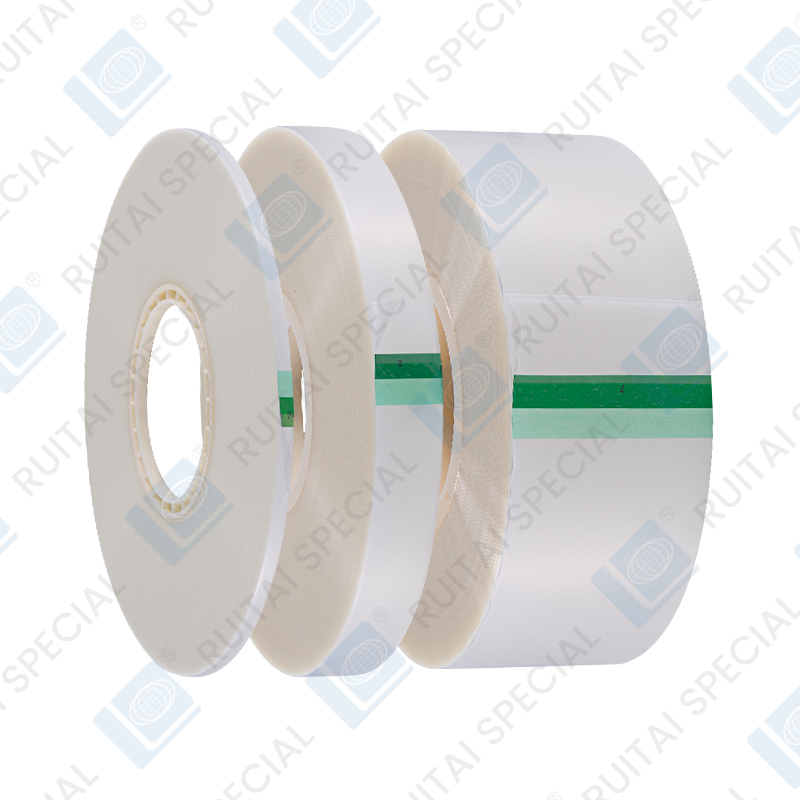
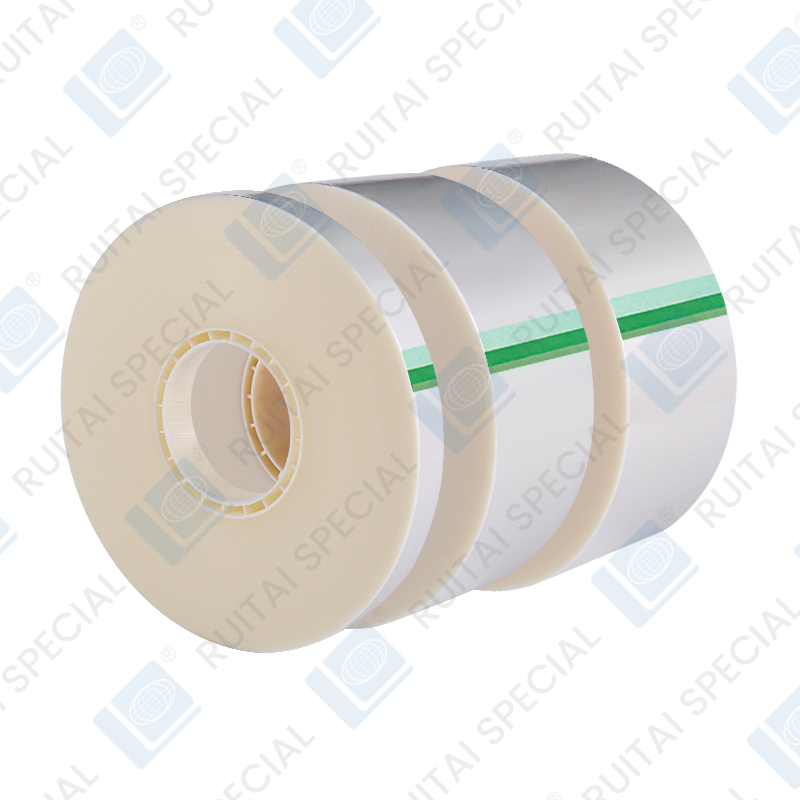
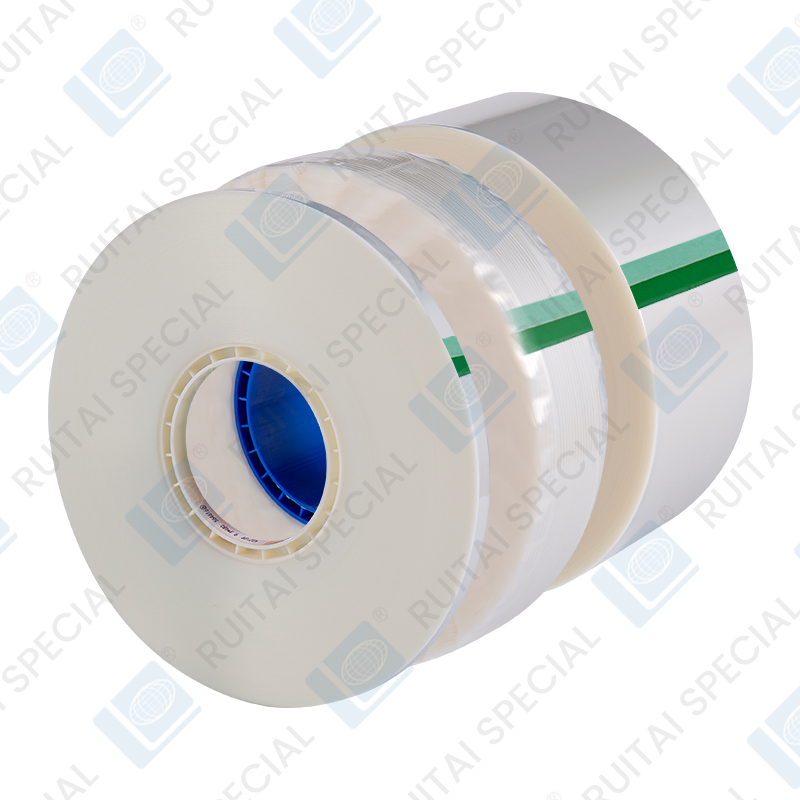
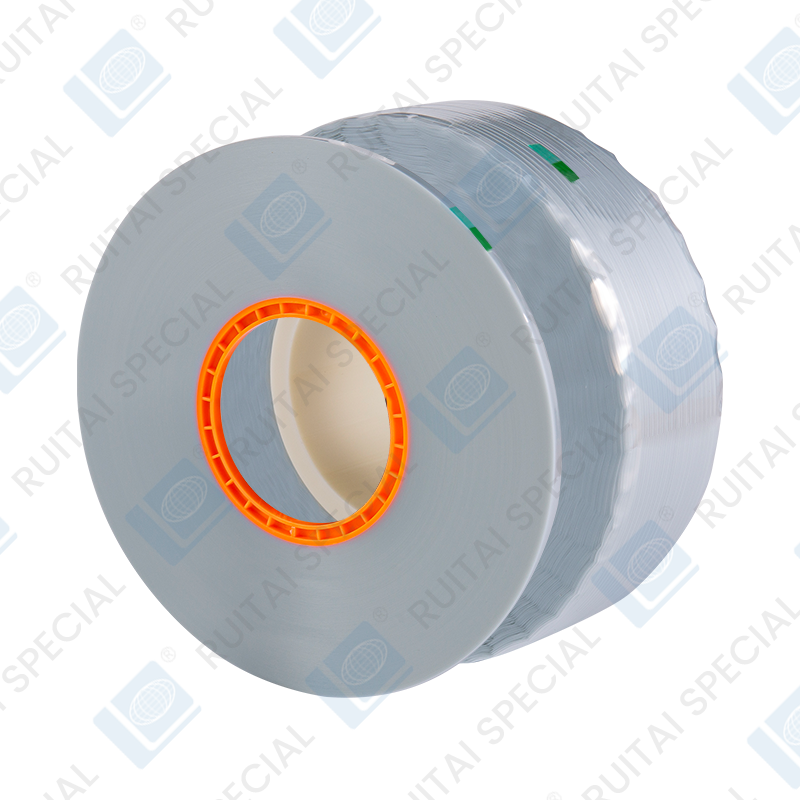
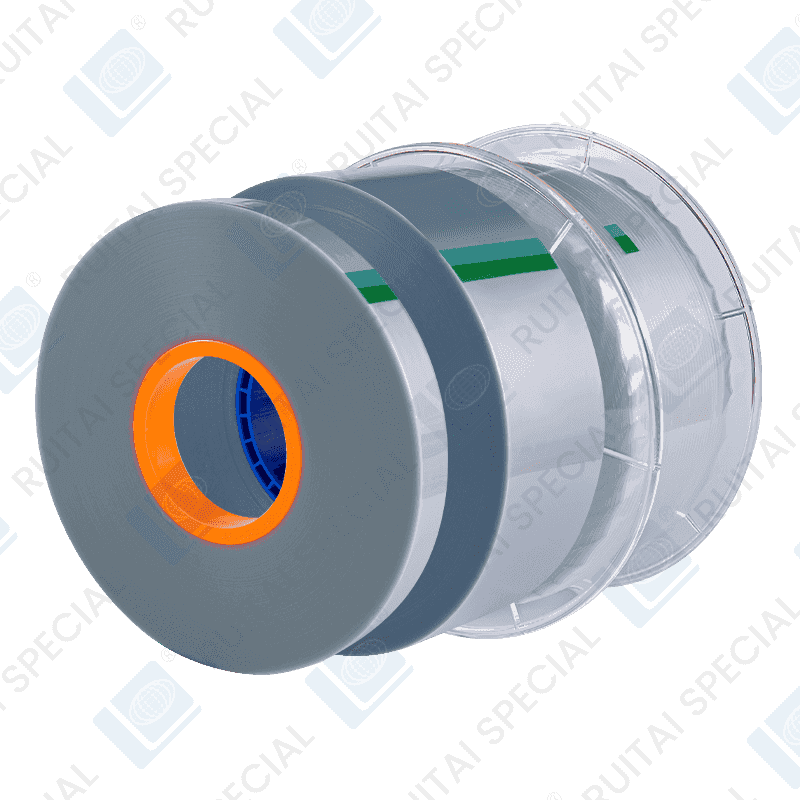
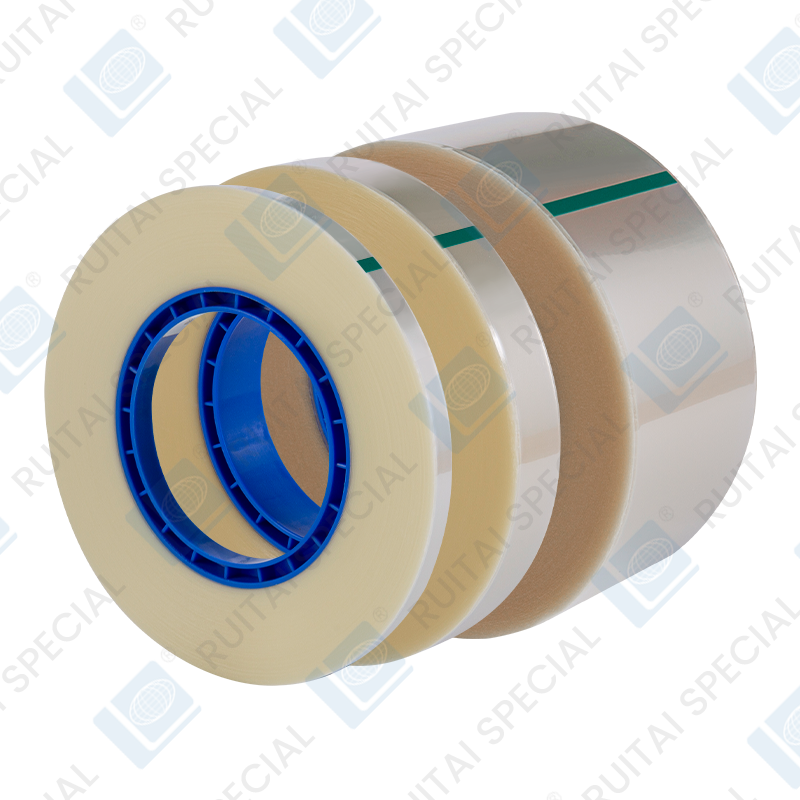
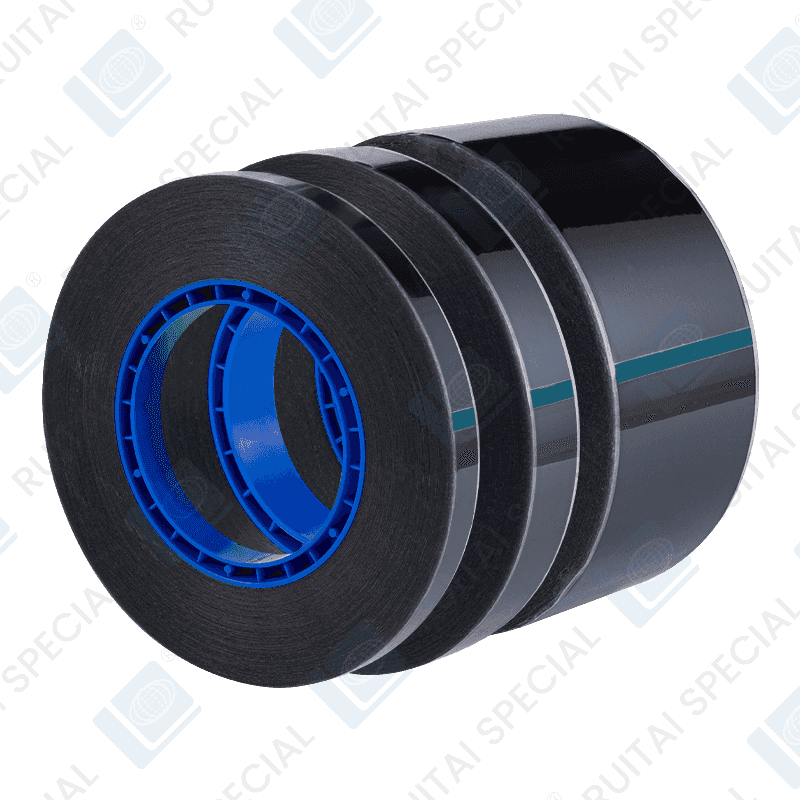
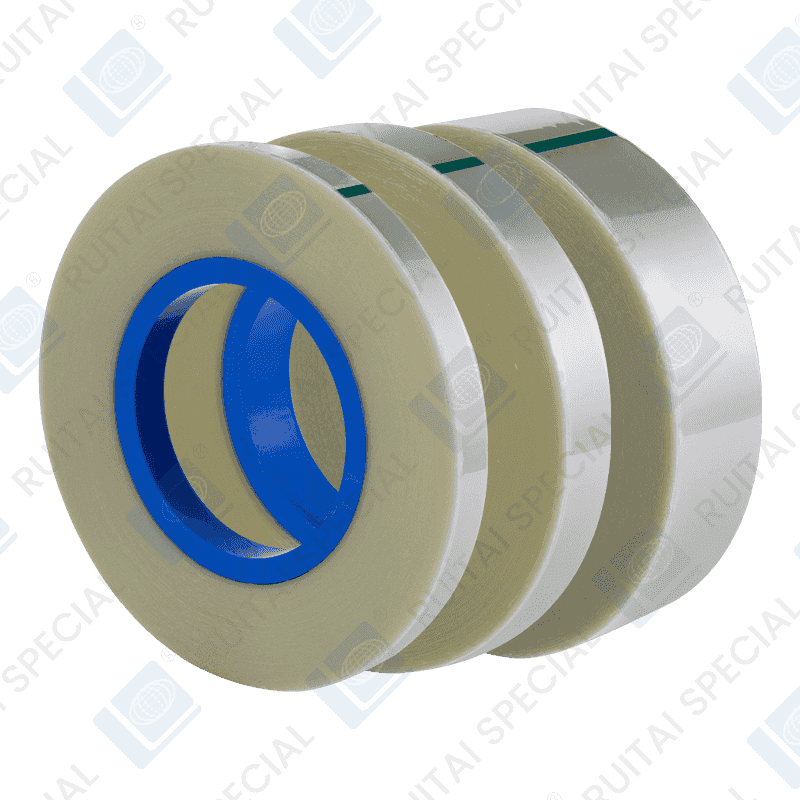
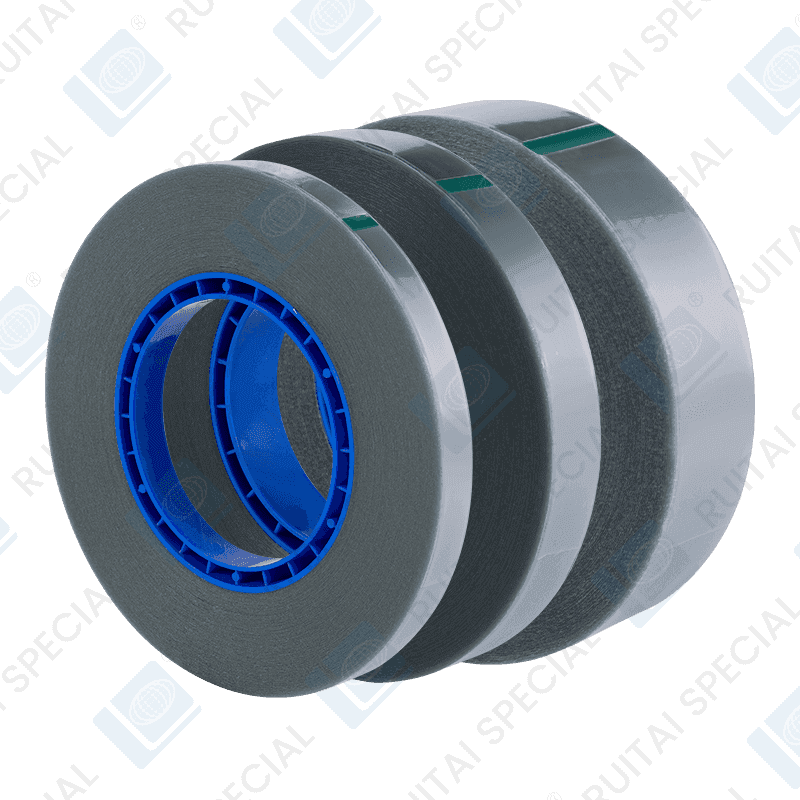
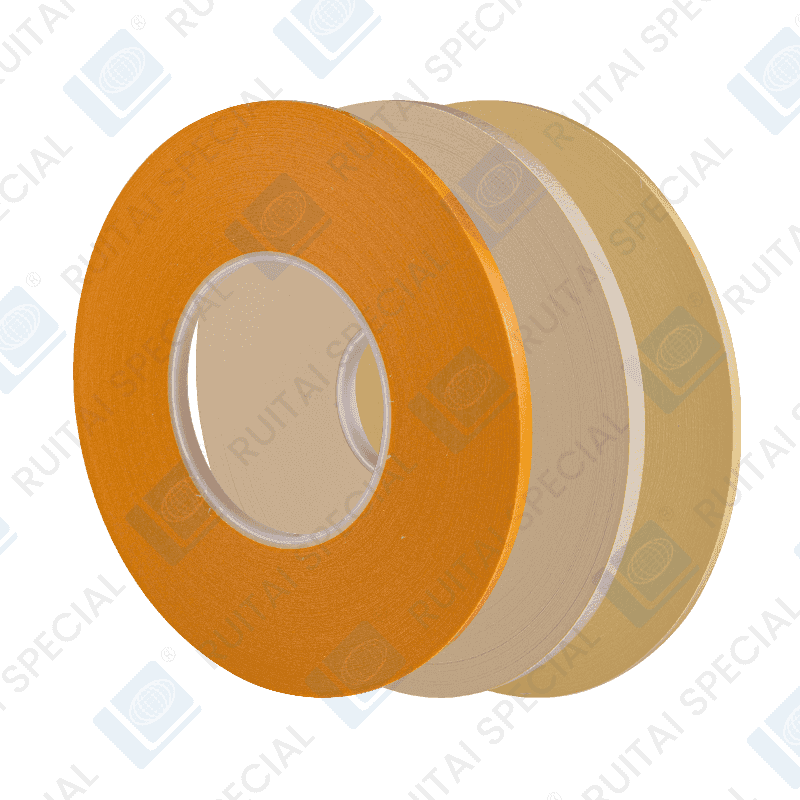
Carrier tapes, cover tapes, and masking tapes each serve a distinct function. Carrier tapes hold components in precise cavities during transport, preventing lateral displacement. Cover tapes seal those cavities, maintaining component orientation until the moment of pick-and-place. Masking tapes protect gold contacts, bond pads, and lead frames during plating and reflow processes, then peel cleanly without leaving residue that could compromise solderability.
At Ruital Electronics, the performance of these materials is validated against the mechanical and thermal stresses encountered in high-volume chip packaging environments, ensuring consistent behavior from the first reel to the last.
What "High-Performance" Means in Semiconductor Tape Applications
The term high-performance packaging and testing materials has specific technical meaning when applied to semiconductor processes. Performance criteria include peel adhesion stability across humidity ranges, low outgassing under reflow temperatures, antistatic surface resistivity compatible with ESD-sensitive components, and consistent tape tension during automated reel feeding.
Three properties are particularly critical for testing-phase applications:
- Residue-free removal: Tapes used during burn-in or probe testing must release without ionic contamination, which can cause leakage currents and alter device behavior in subsequent reliability screening.
- Dimensional stability: Tape elongation or shrinkage during thermal cycling shifts component positions within carrier pockets, increasing the risk of misalignment during automated placement.
- Controlled peel force: Cover tape peel force must fall within a narrow window — too low causes premature opening; too high risks component lift during peeling on high-speed handlers.
Manufacturers sourcing high-performance packaging and testing materials increasingly specify these parameters explicitly in procurement documents rather than relying on generic tape grades.
Key Stages Where Tape Selection Directly Impacts Yield
Yield loss in chip packaging is rarely attributed to tape selection until a systematic root-cause analysis is conducted. In practice, several process stages carry outsized risk:
| Process Stage |
Tape Type Used |
Primary Risk Without Proper Selection |
| Die attach / wafer dicing |
Dicing tape / backgrind tape |
Die chipping, adhesive transfer |
| Selective plating / masking |
High-temperature masking tape |
Plating bleed-under, pad contamination |
| Component taping & reeling |
Cover tape + carrier tape |
Component loss, misorientation |
| Final test & burn-in |
Test socket protection tape |
Contact contamination, false failures |
Common tape applications across chip packaging and testing stages, with associated yield risks.
Understanding which stage carries the highest risk profile helps procurement and process engineering teams prioritize qualification testing of new tape materials before full-volume deployment.
Evaluating Suppliers for Chip Packaging Tape: What to Look For
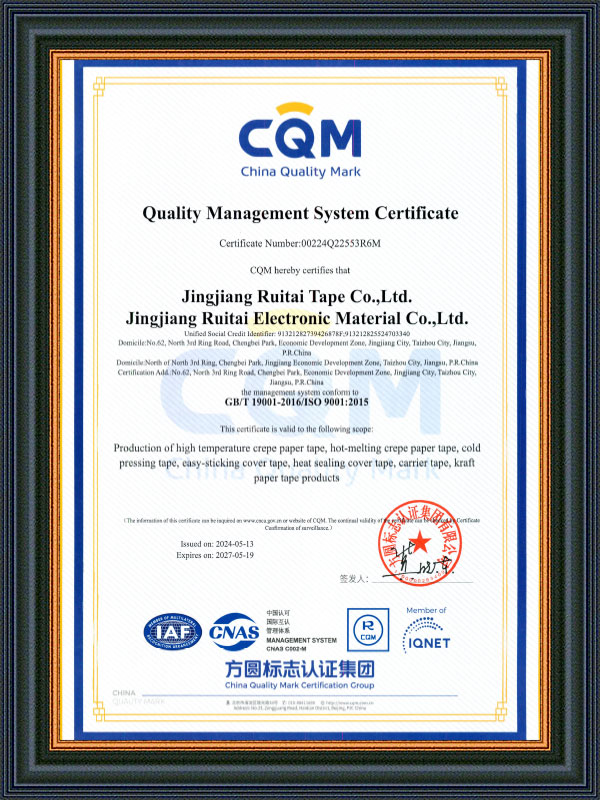
Selecting a material partner for chip packaging applications requires evaluation beyond datasheet specifications. Process engineers should assess whether a supplier can demonstrate batch-to-batch consistency through statistical process control data, and whether adhesive formulations are documented with full traceability — particularly important for customers operating under IATF 16949 or ISO 9001 quality frameworks.
Equally important is technical support capability. Tape behavior in high-speed automated assembly often deviates from laboratory peel tests due to machine tension settings, ambient humidity, and substrate surface energy variations. Suppliers with in-house application engineering resources can help customers adapt tape specifications to actual line conditions rather than defaulting to trial-and-error approaches.
With advanced adhesive formulation technology and dedicated production lines serving the semiconductor sector, Ruital Electronics works alongside customers to align material performance with the precise demands of their packaging and testing workflows — from initial qualification through sustained production supply.


 USA
USA English
 日本語
日本語 中文简体
中文简体