
 USA
USA English
 日本語
日本語 中文简体
中文简体
Content
Masking Paper Tape Uses
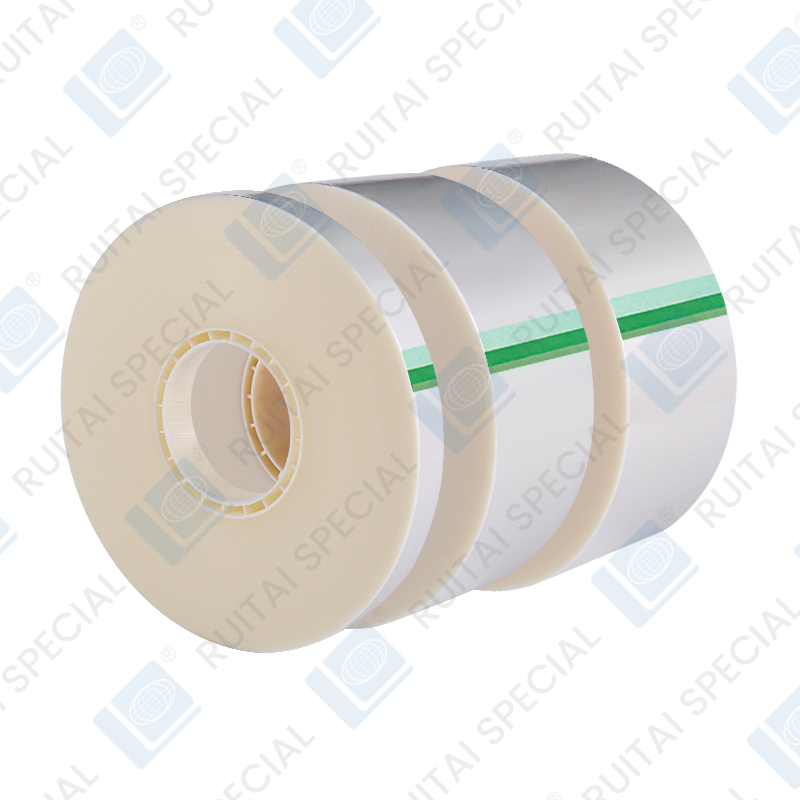
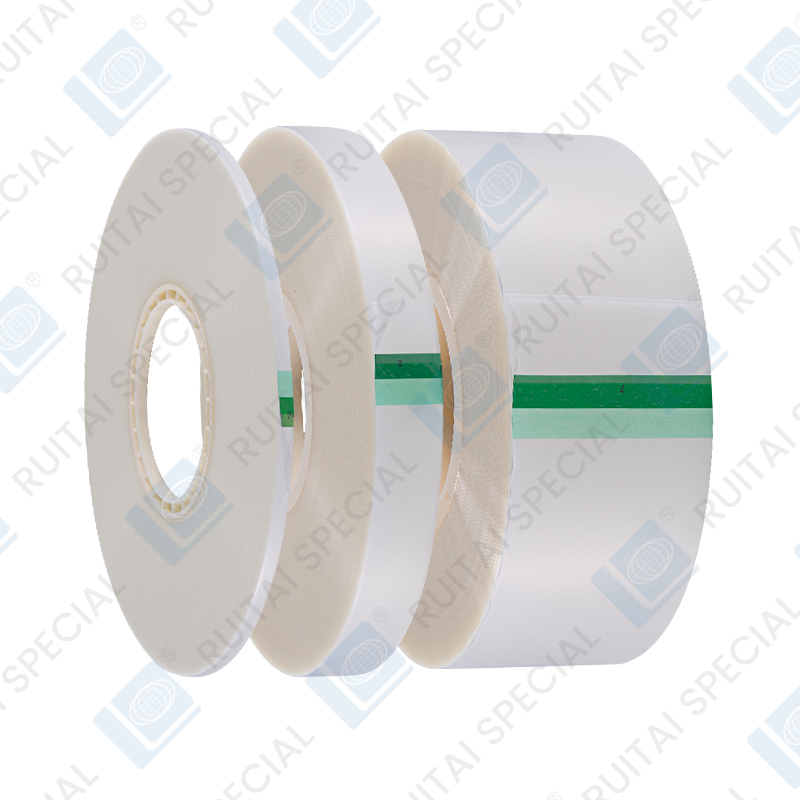
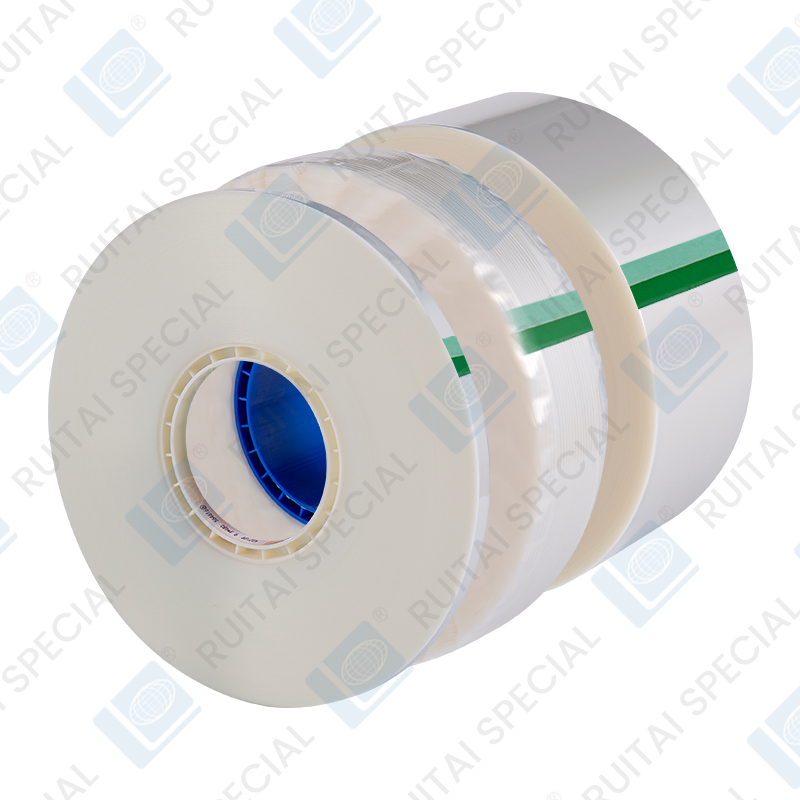
Masking paper tape uses a crepe or flat paper backing with a pressure-sensitive adhesive designed to hold securely during a process step, then release cleanly without residue or surface damage. Across industrial and electronics applications, it's used to:
- Protect surfaces, connectors, or components during painting, powder coating, or plating so masked areas stay free of coating.
- Shield sensitive areas of a printed circuit board (PCB) during soldering, conformal coating, or selective plating processes.
- Bundle or hold components in place temporarily during assembly without leaving adhesive residue after removal.
- Label or identify parts and sub-assemblies during a multi-step manufacturing process, since paper surfaces take pen and marker well.
The paper backing's key advantage over plastic film tape is that it tears easily by hand for quick application, and most formulations are designed to withstand elevated process temperatures without leaving adhesive behind — a requirement that plastic-backed tapes often can't meet without melting or degrading.
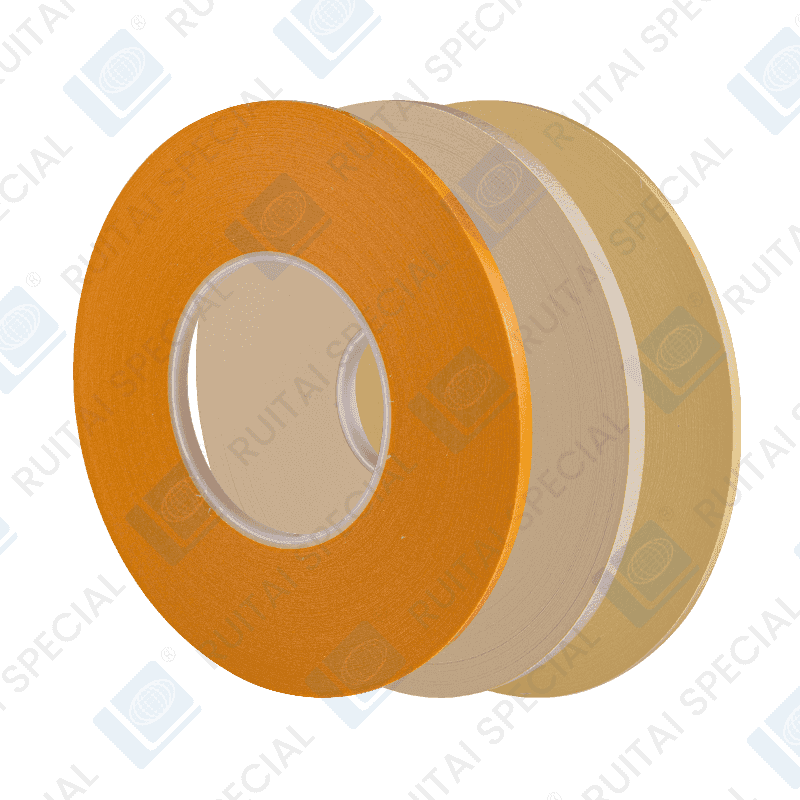
Masking Tape Manufacturing Process
Masking tape production generally follows these stages:
- A paper backing — often crepe paper, which is mechanically creased to add stretch and conformability — is selected and prepared as the base substrate.
- A saturant is applied to the paper to control tensile strength and prevent the adhesive from soaking through to the backing's opposite face.
- The adhesive layer — rubber-based, acrylic, or silicone depending on the target application — is coated onto the treated paper in a controlled, uniform thickness.
- The coated material is cured, either through drying ovens or UV curing depending on the adhesive chemistry, to set the adhesive's final properties.
- The finished material is slit into rolls of the target width and wound onto cores for packaging.
The adhesive chemistry chosen at the coating stage is what ultimately determines whether a given roll of tape is suited to general-purpose use, high-temperature processes, or sensitive electronics work, which is covered in more detail below.
Masking Tape Adhesive Types
| Adhesive Type | Temperature Range | Typical Use |
|---|---|---|
| Rubber-based | Up to ~80°C (176°F) | General-purpose masking, painting, packaging |
| Acrylic | Up to ~150°C (302°F) | Powder coating, moderate-heat processes, longer outdoor exposure |
| Silicone | Up to ~260°C (500°F) or higher | High-temperature masking, wave soldering, electronics processes |
Common masking tape adhesive chemistries and their approximate temperature performance.
Rubber-based adhesives offer strong initial tack and low cost but degrade at higher temperatures and can leave residue after extended UV or heat exposure. Acrylic adhesives trade some initial tack for better temperature resistance and aging stability, making them a common mid-range choice. Silicone adhesives handle the highest temperatures and resist a wider range of chemicals, but typically cost more and are reserved for processes where rubber or acrylic tape would fail.
High Temperature Masking Tape
High temperature masking tape is built with a silicone adhesive and often a polyimide, glass cloth, or specially treated paper backing capable of withstanding sustained heat without breaking down, melting, or leaving adhesive residue. These tapes are rated to handle processes like powder coat curing, wave soldering, anodizing, and plating, where standard rubber or acrylic tape would soften, shift, or fail to release cleanly.
Temperature rating alone doesn't guarantee suitability for a given process — duration at temperature matters as much as peak temperature. A tape rated for 260°C for a brief exposure may not perform the same over an extended dwell time at that same temperature, so checking both the peak rating and the recommended maximum exposure duration against the actual process profile is important before selecting a tape.
Masking Tape for Electronics, PCB Assembly, and Wave Soldering
Electronics manufacturing places specific demands on masking tape beyond simple heat resistance:
- PCB assembly masking — tape used to protect connectors, gold-plated contacts, or component areas during selective soldering or conformal coating needs to release without leaving adhesive residue that could interfere with electrical contact or coating adhesion.
- Wave soldering masking tape — must withstand direct or near-contact exposure to molten solder, typically in the 250-260°C range, without melting, curling, or contaminating the solder bath with adhesive residue.
- Low outgassing requirements — some electronics processes require tape formulated to minimize volatile compound release under heat, since outgassing can contaminate sensitive components or sealed assemblies.
- Precision die-cutting — electronics masking tape is frequently die-cut into custom shapes matching specific PCB layouts, so consistent adhesive coating and backing thickness across the roll matters for accurate, repeatable cuts.
ESD Masking Tape vs Standard Masking Tape
ESD (electrostatic discharge) masking tape is engineered with additives in the backing or adhesive that make it static-dissipative, meaning it doesn't build up or release static charge the way standard masking tape can. In electronics manufacturing, standard tape's tendency to generate static during unwinding or removal poses a real risk to static-sensitive components, potentially causing latent damage that isn't visible immediately but shortens the component's operating life.
ESD tape is typically specified by its surface resistivity, falling within the static-dissipative range rather than being fully conductive or fully insulative, and is used specifically in ESD-controlled work areas where any static-generating material must meet defined resistivity standards. Standard masking tape remains appropriate for general masking tasks outside of ESD-sensitive zones, where static generation isn't a functional risk.
How to Choose Masking Paper Tape
- Identify the peak process temperature and dwell time, then match it against an adhesive chemistry rated with margin above that temperature, not just equal to it.
- Confirm whether the application is ESD-sensitive; if so, specify tape rated for static-dissipative performance rather than standard tape.
- Check clean-release performance on the specific substrate being masked, since adhesive residue risk varies by surface material and by how long the tape stays applied.
- Match tape width and backing flexibility to the masking geometry — die-cut precision shapes for electronics, wider rolls for general surface protection.
- Request technical data sheets for tensile strength, adhesion level, and temperature rating rather than relying on general product category names, since performance varies meaningfully between suppliers even within the same adhesive category.