
 USA
USA English
 日本語
日本語 中文简体
中文简体
Content
- 1 What Is Chip Packaging Tape?
- 2 What Is Semiconductor Packaging Tape?
- 3 What Is Carrier Tape Used For?
- 4 What Is Cover Tape Used For?
- 5 How Does Chip Packaging Tape Work?
- 6 How Are Semiconductor Components Packaged? (Chip Packaging Tape Manufacturing Process)
- 7 What Materials Are Used for Chip Packaging Tape?
- 8 How to Choose Carrier Tape for Electronic Components
- 9 How to Choose Cover Tape for SMT Packaging
What Is Chip Packaging Tape?
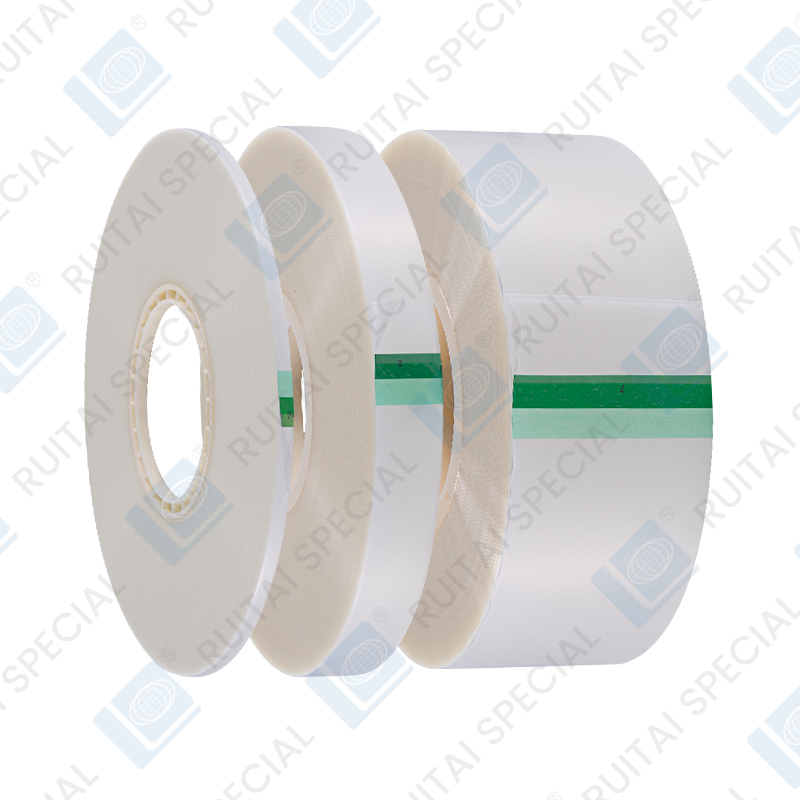
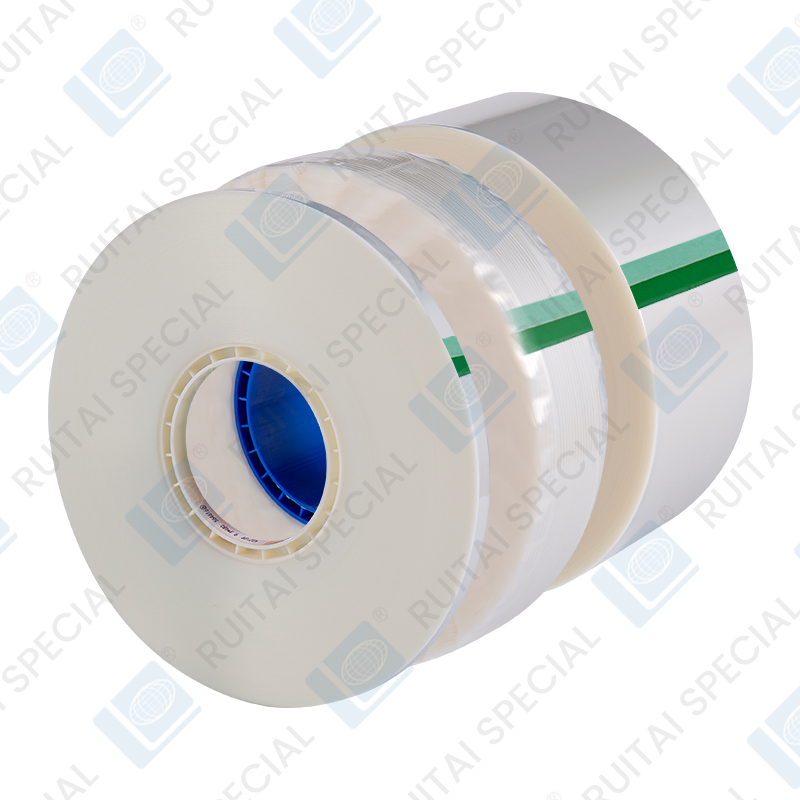
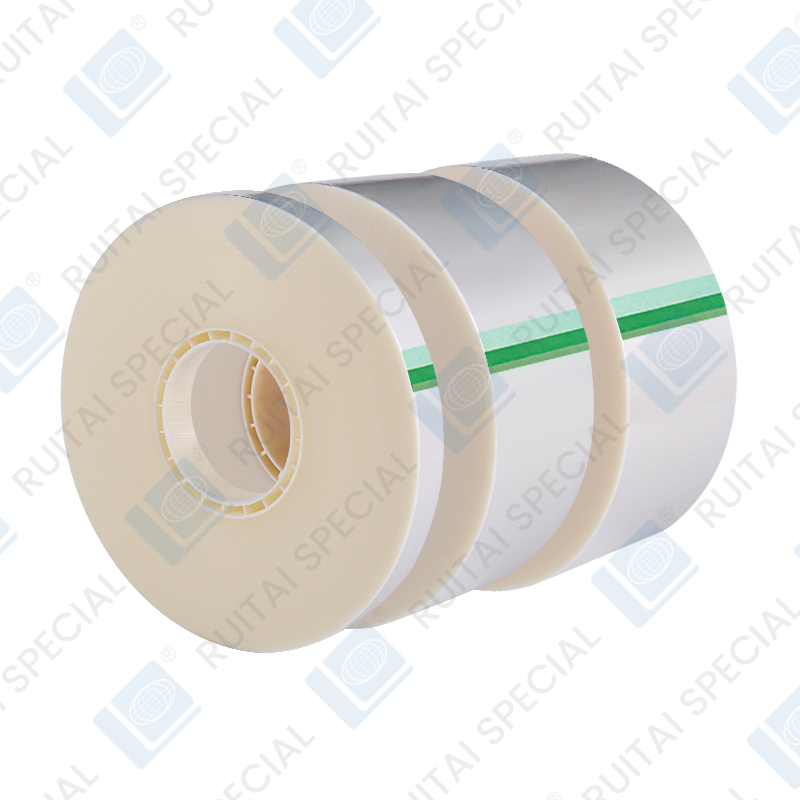
Chip packaging tape refers to the specialized tape systems used to package, transport, and protect semiconductor components — including carrier tape and cover tape — throughout manufacturing, shipping, and automated assembly. Rather than a single product, "chip packaging tape" covers a small family of tapes that work together to hold electronic components in a fixed position from the moment they leave the factory until they're picked and placed onto a circuit board.
This packaging format exists because modern electronic components — resistors, capacitors, ICs, and other surface-mount devices (SMDs) — are too small and too sensitive to handle loose in bulk. Tape-based packaging keeps each component isolated, correctly oriented, and protected from static discharge and physical damage.
What Is Semiconductor Packaging Tape?
Semiconductor packaging tape is the broader industry term for the same category — tape products engineered specifically for handling semiconductor and electronic components, as opposed to general-purpose industrial or shipping tape. It's built to much tighter tolerances than standard packaging tape, since even small dimensional inconsistencies can cause components to jam or misalign during automated pick-and-place assembly.
In short: "chip packaging tape" and "semiconductor packaging tape" describe the same product category — carrier tape plus cover tape systems designed for SMD components.
What Is Carrier Tape Used For?
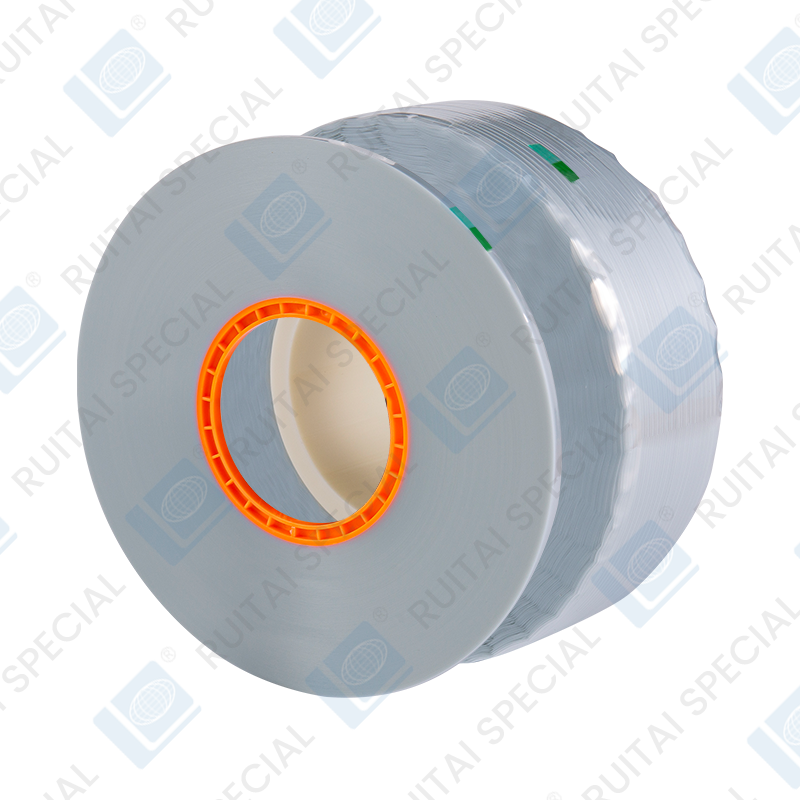
Carrier tape is a continuous strip of embossed or punched plastic with a series of evenly spaced cavities (pockets), each sized to hold a single electronic component. Its job is to keep components separated, correctly oriented, and evenly spaced so automated pick-and-place machines can locate and retrieve each one precisely. Carrier tape is typically made from:
| Material | Key Property | Typical Use |
|---|---|---|
| Antistatic PS (polystyrene) | Moderate static dissipation | General passive components (resistors, capacitors) |
| Conductive PS or PC | High static dissipation | Static-sensitive ICs and semiconductors |
| Black conductive PC | Highest static protection, heat resistance | Highly sensitive or high-value components |
What Is Cover Tape Used For?
Cover tape is a thin adhesive-backed film sealed over the top of loaded carrier tape, closing each pocket to keep the component secured in place during shipping and handling. It serves a few specific functions:
- Physical retention — keeps the component from shifting or falling out of its pocket during transport and reel handling.
- Contamination barrier — protects components from dust and moisture prior to assembly.
- Controlled peel release — designed to peel away cleanly at a specific, consistent force so automated equipment can remove it without disturbing the component underneath.
How Does Chip Packaging Tape Work?
In an automated SMT (surface-mount technology) assembly line, carrier and cover tape work together through a defined sequence:
- Reels of loaded, sealed tape are mounted onto feeder units on the pick-and-place machine.
- The machine advances the tape by a fixed pocket spacing (a "sprocket" or "index" pitch) to position the next component under the pickup head.
- The cover tape is peeled back at a controlled angle and speed just before the pickup point, exposing the component.
- A vacuum nozzle picks the component from its pocket and places it onto the circuit board at the programmed location.
- The tape advances again, repeating the cycle for the next component.
This process runs at high speed — often multiple components per second — which is why dimensional consistency and peel force reliability in the tape are so critical to preventing line stoppages.
How Are Semiconductor Components Packaged? (Chip Packaging Tape Manufacturing Process)
Producing tape-ready carrier and cover tape involves several precision manufacturing steps:
- Film extrusion or forming. The base plastic sheet is extruded to a controlled thickness, then formed into carrier tape through thermoforming (heated) or punching, creating the pocket cavities and sprocket holes.
- Antistatic or conductive treatment. A coating or additive is applied to control static dissipation, since uncontrolled static discharge can destroy sensitive semiconductor components.
- Component loading. Components are automatically inserted into each pocket at the manufacturer's or distributor's facility, using vibratory or vision-guided loading systems.
- Cover tape sealing. Cover tape is heat- or pressure-sealed along the edges of the carrier tape, closing each pocket while maintaining a controlled, consistent peel strength.
- Reel winding and inspection. The finished tape is wound onto reels, with quality checks for pocket dimensions, seal integrity, and peel force consistency before shipment.
What Materials Are Used for Chip Packaging Tape?
Carrier Tape Base
Polystyrene (PS), polycarbonate (PC), or PET, often with antistatic or conductive additives
Cover Tape Film
Polyester (PET) film with a heat-seal or pressure-sensitive adhesive coating
Static Control Coating
Conductive or dissipative coatings applied to both tape types to prevent ESD damage
Reel and Spacer Materials
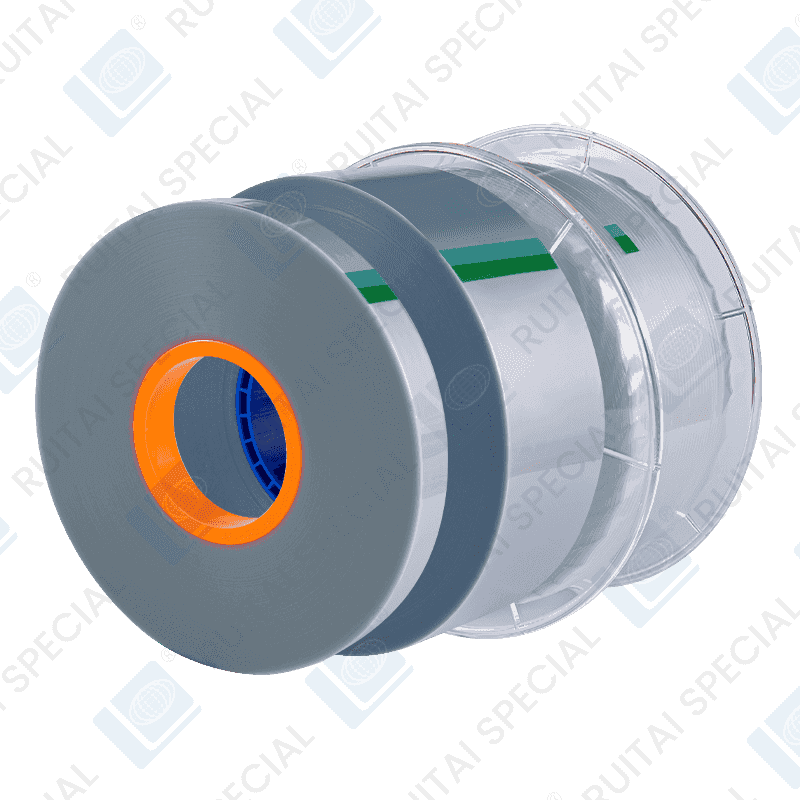
Antistatic plastic reels used to wind and protect the loaded tape during transport
How to Choose Carrier Tape for Electronic Components
Carrier tape selection depends on matching pocket dimensions and material properties to the specific component:
- Pocket size and depth must match the component's physical dimensions precisely — too loose causes rotation or misplacement during pickup; too tight risks damage during loading.
- Tape width is standardized (commonly 8mm, 12mm, 16mm, 24mm, and up) based on component size, following EIA-481 industry standards.
- Static sensitivity of the component determines whether standard antistatic tape is sufficient or fully conductive tape is required.
- Temperature exposure during assembly (e.g., reflow soldering) may require a higher heat-resistant material like polycarbonate rather than standard polystyrene.
How to Choose Cover Tape for SMT Packaging
Cover tape selection centers mainly on peel force consistency and compatibility with the carrier tape and assembly equipment:
- Peel force rating should match the pick-and-place machine's specifications — too high a peel force can jam the peeling mechanism, while too low risks premature opening during transport.
- Sealing method compatibility — heat-seal cover tape needs to match the carrier tape's heat tolerance and the sealing equipment used during loading.
- Antistatic properties should align with the carrier tape's static control level, since a mismatch can undermine the overall ESD protection of the packaging system.
- Transparency matters for components that require visual inspection through the sealed tape before use.
Practical tip: Always request peel force test data from a supplier rather than assuming compatibility — a mismatch between cover tape peel force and feeder settings is one of the most common causes of pick-and-place line stoppages.