
 USA
USA English
 日本語
日本語 中文简体
中文简体
Content
What Pressure Sensitive Adhesive Cover Tape Does in Component Packaging
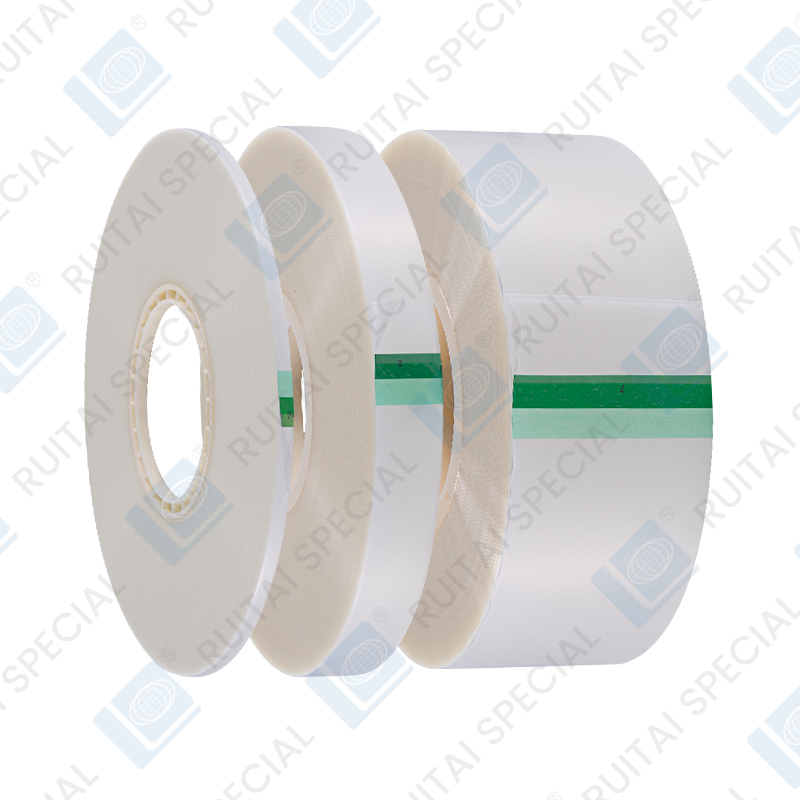
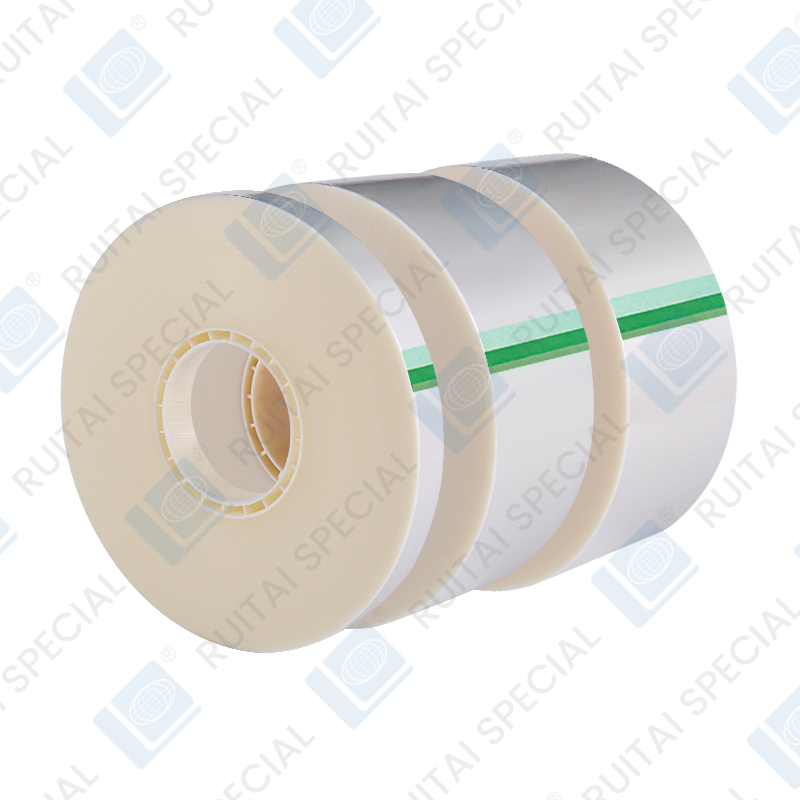
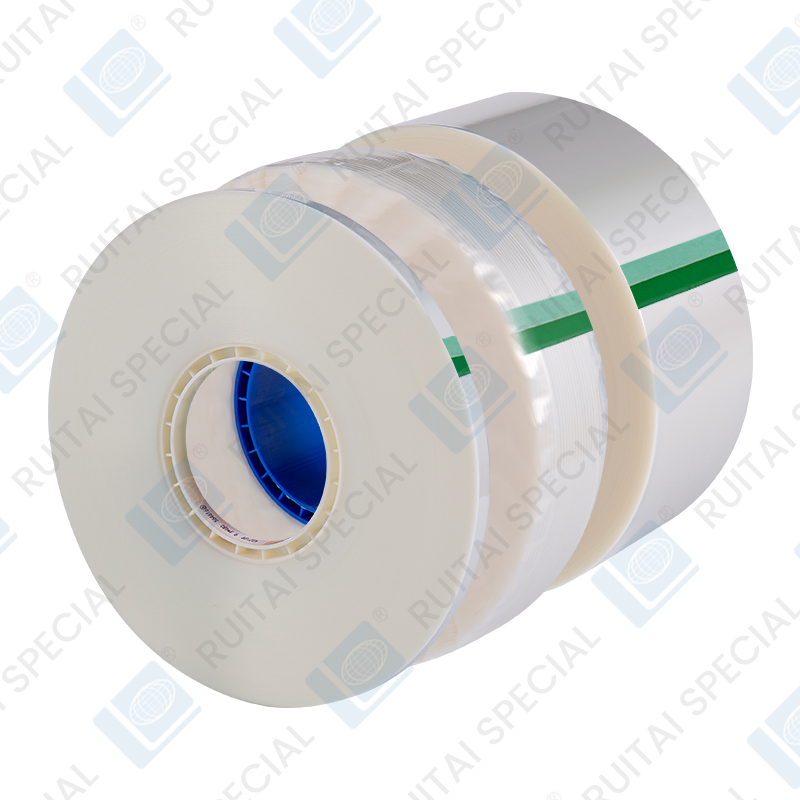
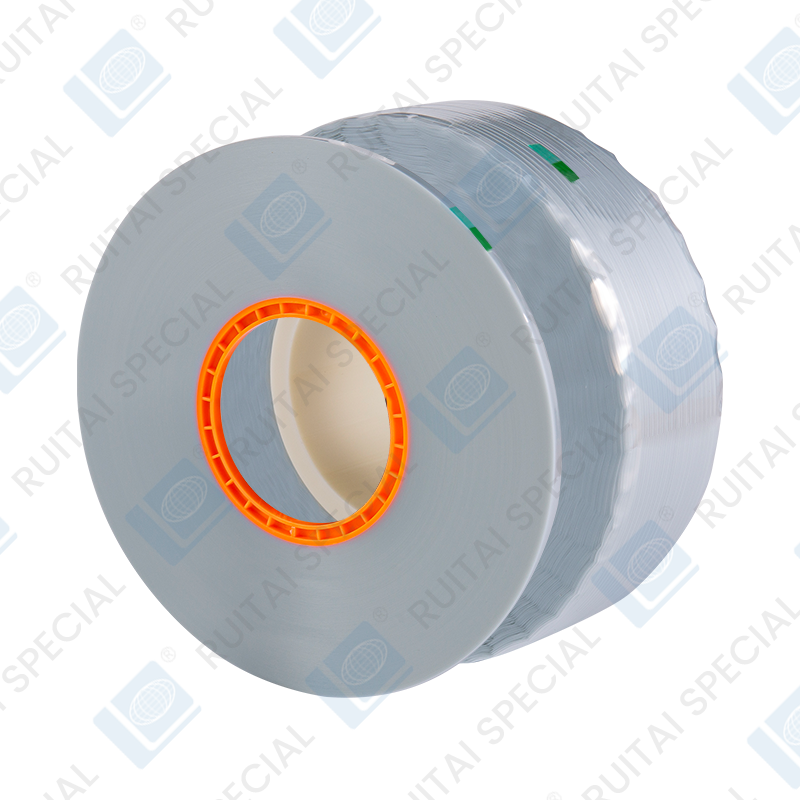
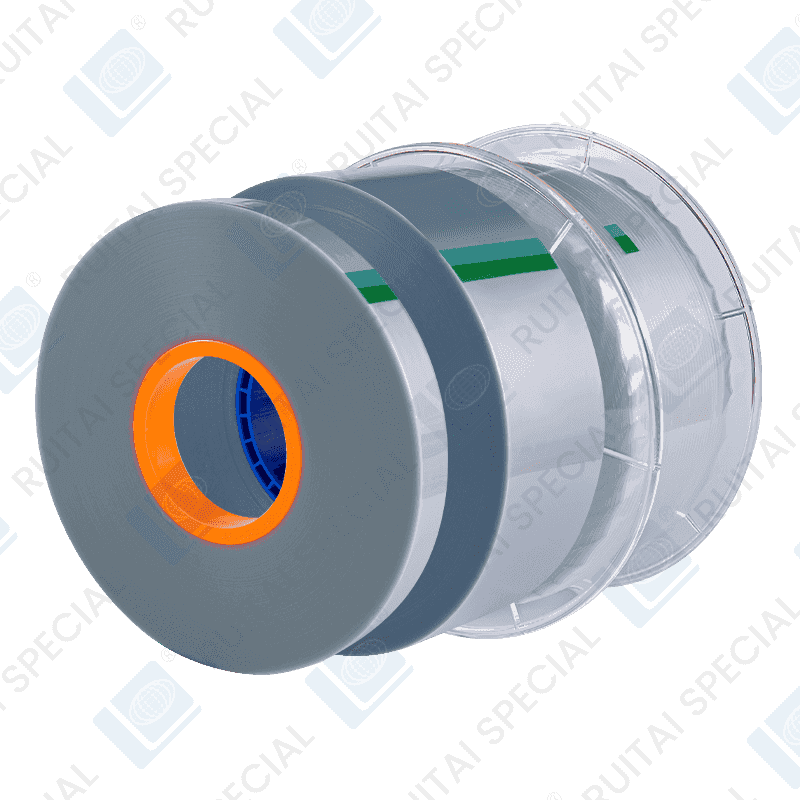
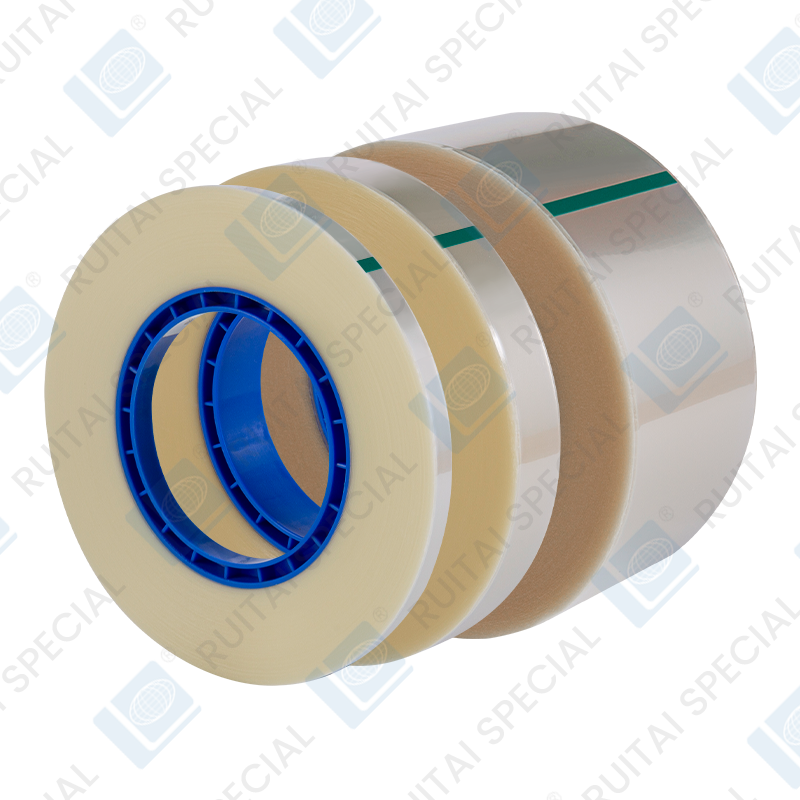
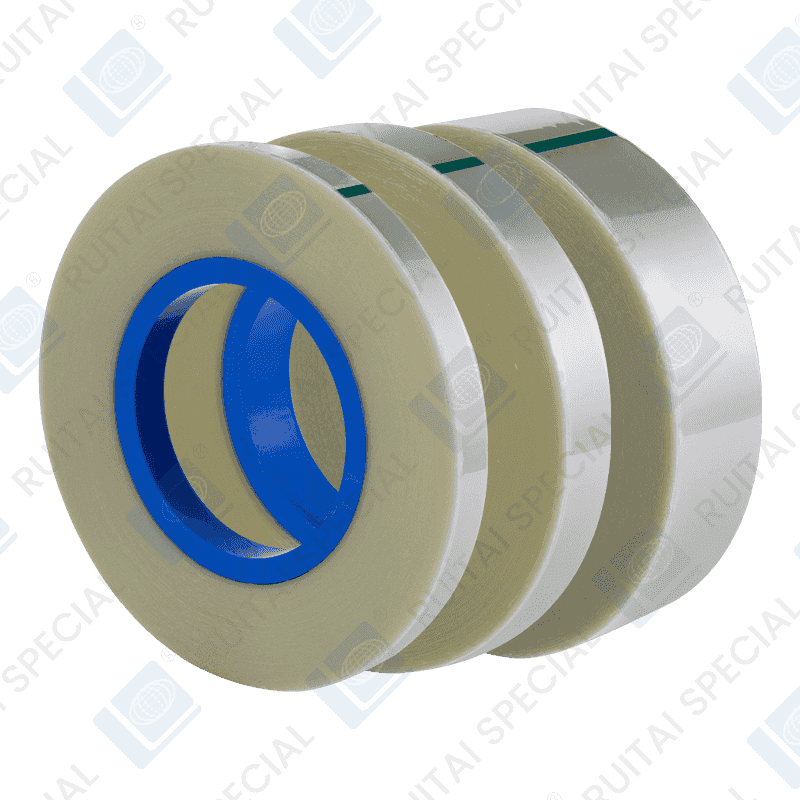
Pressure sensitive adhesive cover tape seals the top of carrier tape used in tape-and-reel packaging for electronic components — resistors, capacitors, ICs, connectors — holding each part securely in its pocket until pick-and-place equipment peels the tape back at the moment of placement. "Pressure sensitive" means the adhesive bonds on contact under light pressure, without heat or solvent activation, which is what allows the tape to be applied inline during high-speed reeling without a curing or cooling step slowing the line down.
The two properties that matter most in practice are peel force consistency and static control. Peel force has to stay within a narrow band across the entire reel — too high and the pick-and-place machine can't peel the tape cleanly at speed, causing missed placements; too low and components risk falling out of their pockets during shipping or handling. Static control matters because most components sealed under cover tape are static-sensitive, and an uncontrolled peel can generate enough triboelectric charge to damage the part underneath.
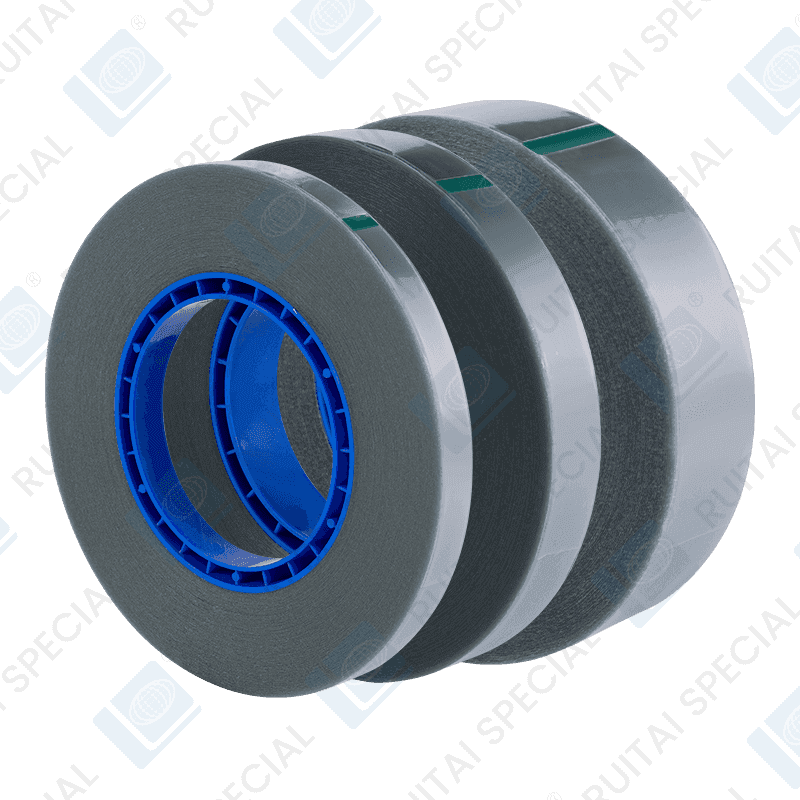
Matching Tape Width to Carrier Tape Standards
Cover tape width is standardized against carrier tape width under EIA-481, and using the wrong width relative to the carrier tape is one of the most common sourcing mistakes for buyers new to component packaging.
| Carrier Tape Width | Cover Tape Width | Common Component Types |
|---|---|---|
| 8 mm | 5.4 mm | Small passives, chip resistors and capacitors |
| 12 mm | 9.3 mm | SOT/SOIC packages, small connectors |
| 16-24 mm | 13.3-21.3 mm | Larger ICs, QFP/QFN packages |
EIA-481 cover tape width pairings against common carrier tape widths.
Beyond the standard width pairing, the sprocket hole clearance on the cover tape has to leave the carrier tape's index holes fully accessible for pick-and-place feeder tracking — a cover tape cut even slightly off-spec can obstruct the feeder's sprocket engagement even if the width looks correct at a glance.
Peel Force and Peel Angle Specifications
Peel force is typically specified in grams-force at a defined peel angle (commonly 165-180 degrees) and speed, per EIA-481 test methods. Most component manufacturers specify an acceptable peel force range rather than a single number, generally falling between 10 and 70 grams-force depending on component weight and pocket depth:
- Lighter, smaller components generally pair with lower peel force tape, since less force is needed to hold a light part securely, and excessive peel force on small pockets increases the risk of pocket deformation during peel
- Heavier or larger components need higher peel force to prevent parts from shifting or falling out during transport and reel handling
- High-speed placement lines benefit from consistent, moderate peel force across the reel, since large peel force variation forces the pick-and-place machine to slow down to avoid missed picks
Peel force consistency across an entire reel matters more than hitting a specific target number, since a placement machine calibrated to a given force range will struggle with a reel that drifts outside that range partway through, even if the average value looks acceptable on a spec sheet.
Static Dissipative vs. Conductive Cover Tape
Not all cover tape handles static the same way, and choosing the wrong category for a static-sensitive application is a real risk to component reliability:
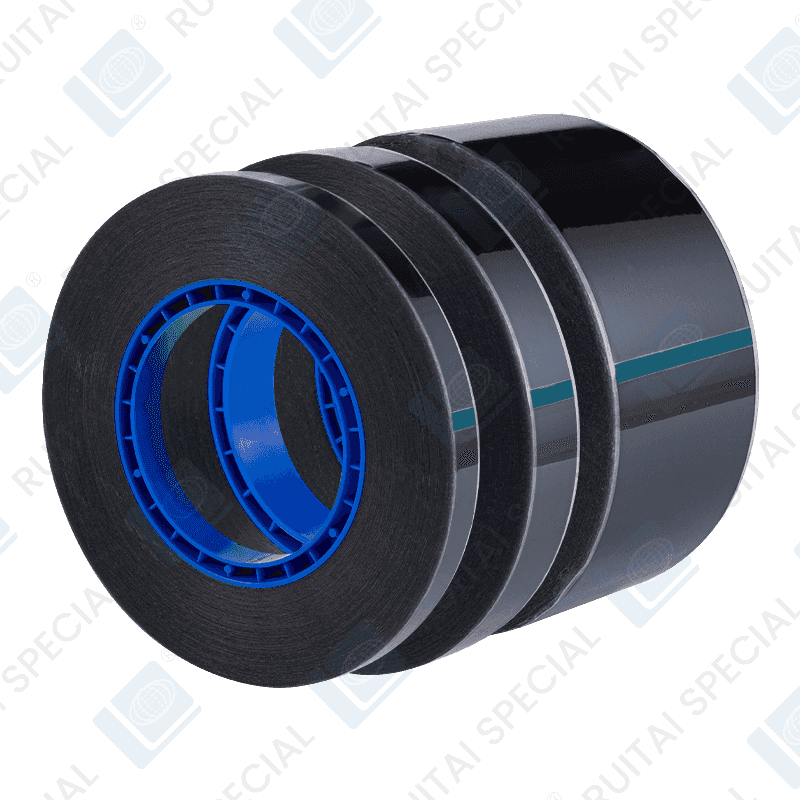
- Static dissipative cover tape carries a surface resistivity typically in the range of 10^9 to 10^11 ohms per square, allowing charge to bleed away gradually rather than discharging suddenly into the component during peel.
- Conductive cover tape has lower surface resistivity, generally below 10^5 ohms per square, used for the most static-sensitive components where even a slow static bleed poses risk.
- Non-static (standard) cover tape is reserved for components with no ESD sensitivity rating, since using it on sensitive parts to save cost is a common but risky shortcut that can cause field failures traced back to ESD damage during packaging, not use.
Matching cover tape ESD classification to the component's actual sensitivity level, rather than defaulting to whatever tape is already in stock, is one of the simplest ways to reduce ESD-related returns in a packaging operation.
Storage Conditions That Affect Adhesive Performance
Pressure sensitive adhesives are sensitive to the storage environment in ways that aren't always obvious until a reel underperforms on the line:
- Store reels at controlled room temperature and moderate humidity — high humidity can affect adhesive tack, while low humidity increases static generation during unwind
- Avoid direct sunlight or UV exposure during storage, since prolonged exposure can degrade adhesive performance over time and shift peel force outside spec
- Respect the manufacturer's stated shelf life, since adhesive tack and peel force characteristics can drift even in unopened, properly stored reels once shelf life is exceeded
For buyers stocking cover tape for extended periods, ordering closer to actual production need rather than maintaining a large buffer inventory avoids the risk of peel force drift showing up unexpectedly on a high-speed placement line.