
 USA
USA English
 日本語
日本語 中文简体
中文简体
Content
What Is Pressure Sensitive Adhesive Cover Tape
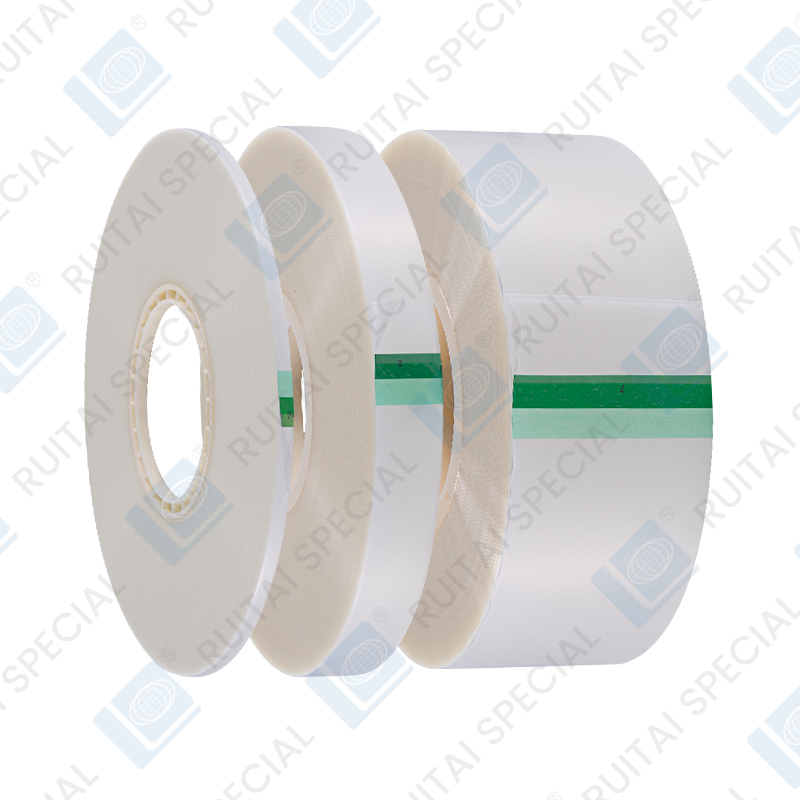
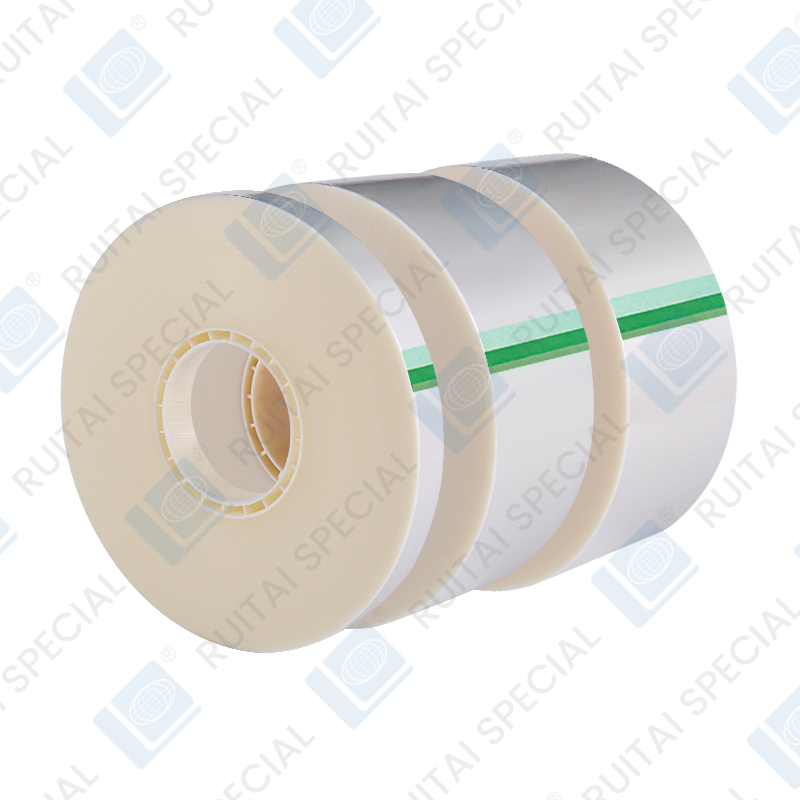
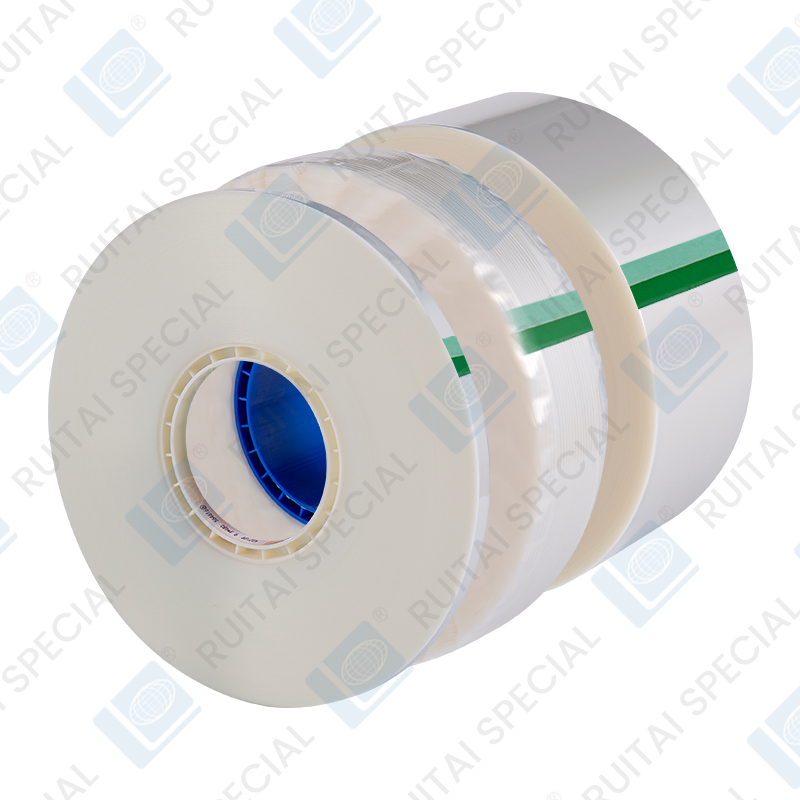
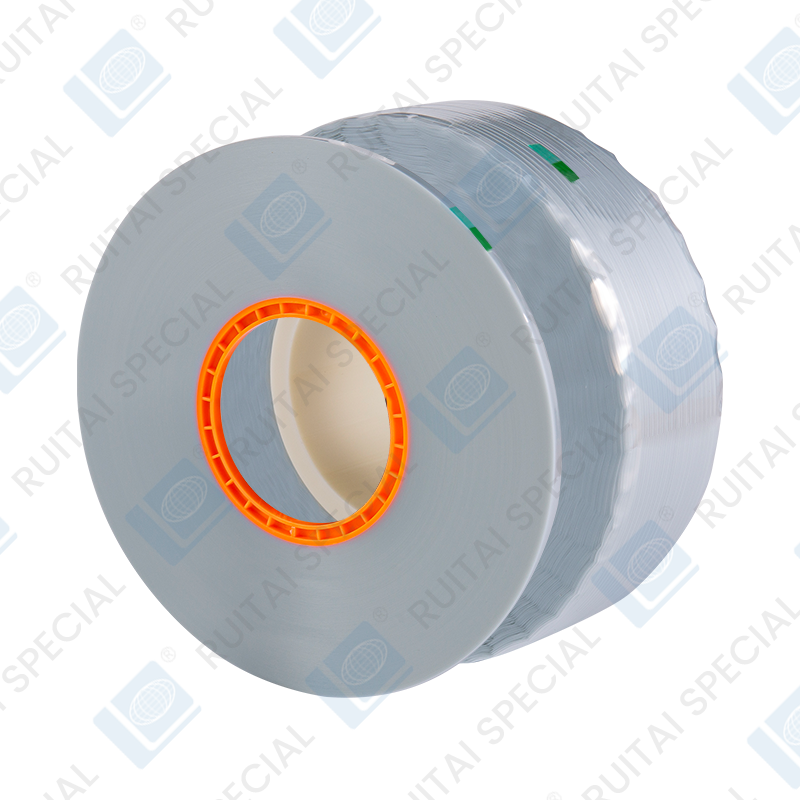
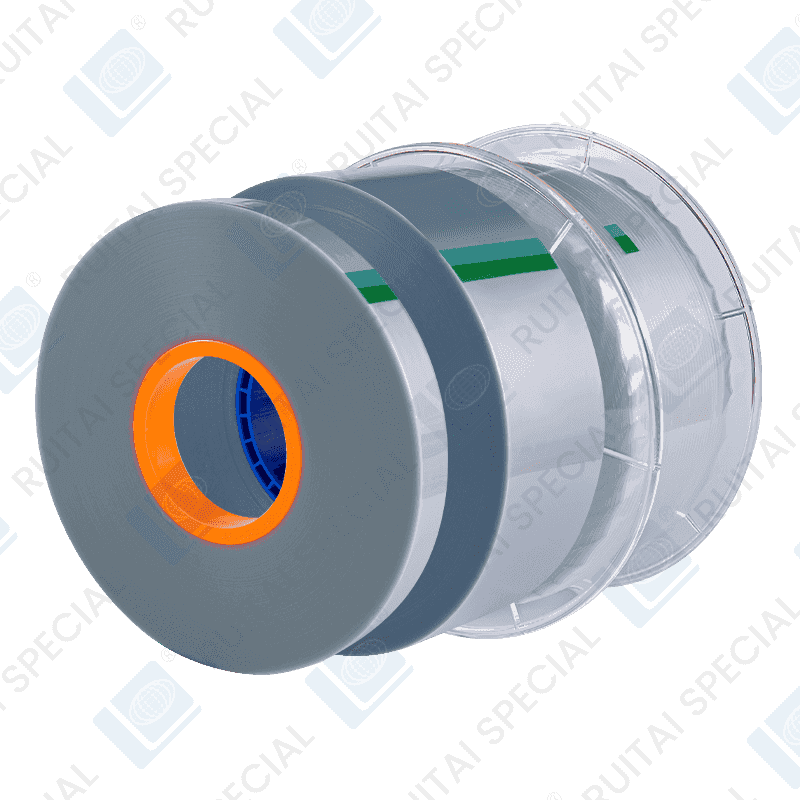
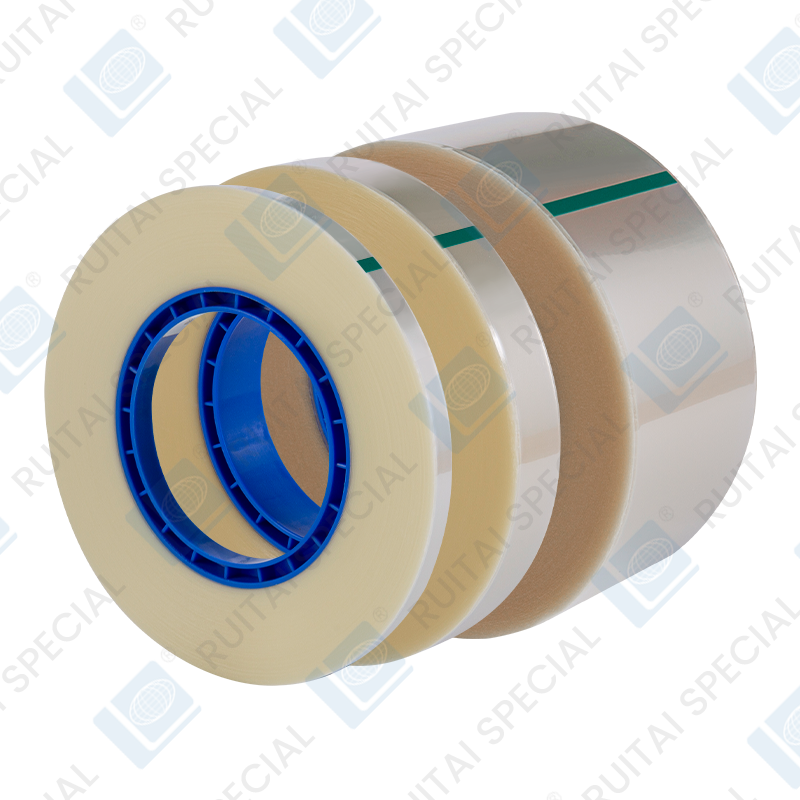
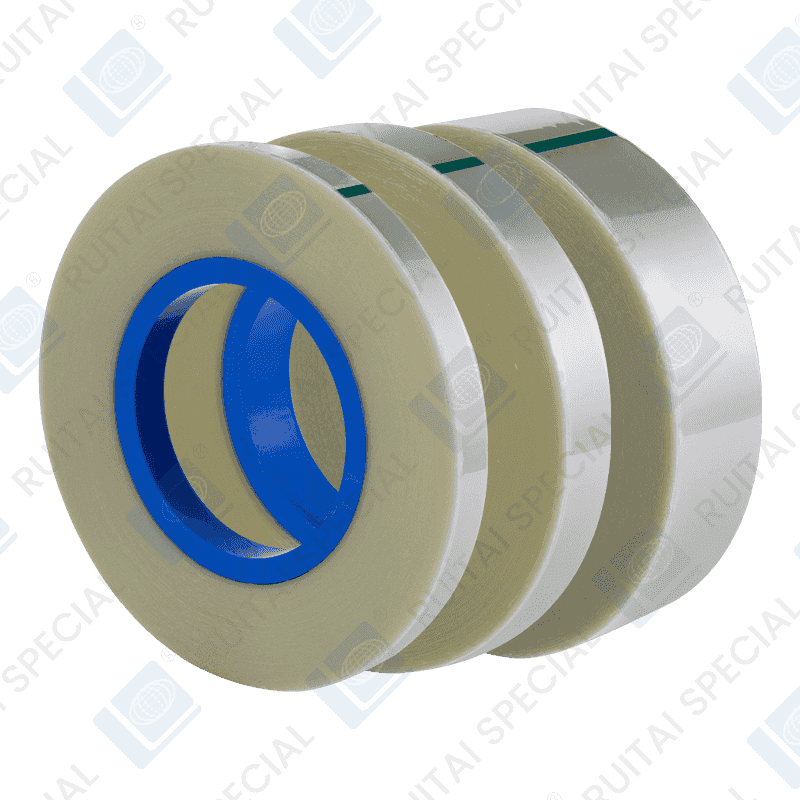
Pressure sensitive adhesive (PSA) cover tape is a carrier-film tape with a dry adhesive coating that bonds on contact without heat, solvent, or water activation. In electronics component packaging, it serves as the sealing layer applied over the top of embossed or punched carrier tape, holding surface-mount devices (SMDs) securely in their cavities during handling, shipping, and automated assembly. The tape is peeled away by the pick-and-place machine just before the component is lifted for placement on the PCB.
PSA cover tape differs from heat-seal cover tape in one fundamental way: no heated sealing bar is required. The adhesive activates under light pressure alone, typically 1–5 N applied by a pressure roller during the taping process. This makes PSA cover tape compatible with heat-sensitive components and eliminates a thermal process variable that can affect seal consistency and component integrity.
The tape construction typically consists of three layers:
- Carrier film — biaxially oriented polypropylene (BOPP), polyester (PET), or polystyrene (PS), typically 25–50 µm thick
- PSA adhesive layer — acrylic or rubber-based, coated at controlled thickness to deliver consistent peel force across the reel
- Release liner (in some formats) — silicone-coated paper or film, removed during the taping operation
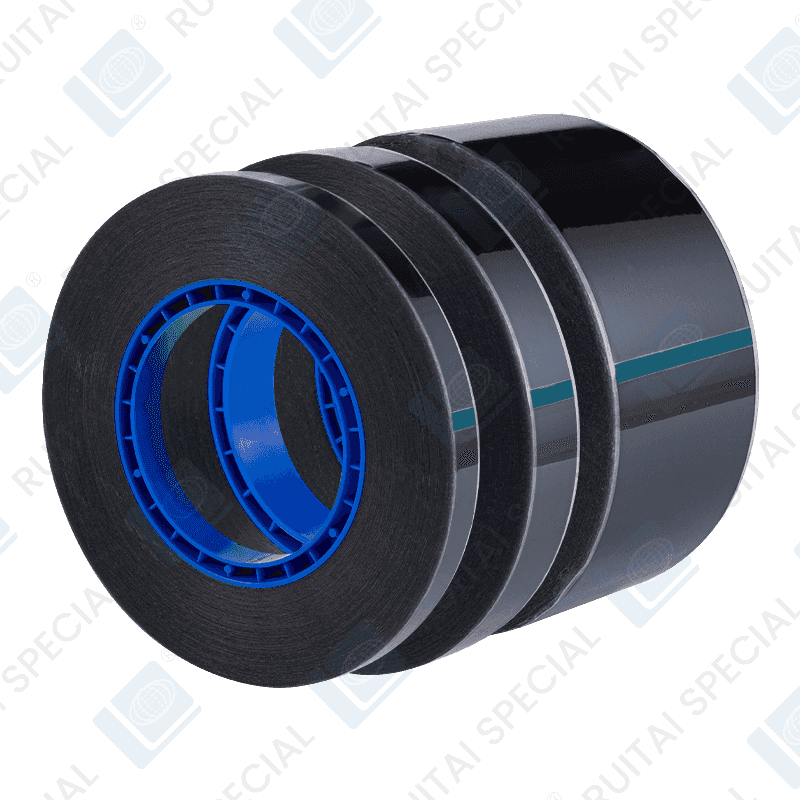
Antistatic or conductive variants are the industry norm for electronic component packaging, with surface resistivity typically in the range of 10⁴ to 10¹¹ Ω/sq to prevent electrostatic discharge damage to sensitive components.
Peel Force: The Critical Performance Parameter
Peel force — the force required to remove the cover tape from the carrier tape during pick-and-place feeding — is the single most critical performance specification for PSA cover tape. EIA-481 and JIS C 0806 define the test method: the tape is peeled at 165° ± 10° at a controlled speed of 300 mm/min, and the average peel force is recorded in Newtons (N) per the tape width.
Industry-standard peel force windows are defined by component size and tape width:
| Tape Width | Min. Peel Force | Max. Peel Force | Typical Application |
|---|---|---|---|
| 8 mm | 0.1 N | 0.7 N | 0201, 0402 passives; small ICs |
| 12–16 mm | 0.1 N | 1.0 N | SOT, SOP packages |
| 24–56 mm | 0.1 N | 1.3 N | QFP, BGA, connectors |
Peel force below the minimum allows components to escape cavities under vibration or inversion — a direct cause of component loss and line stoppages. Peel force above the maximum causes the tape to pull components out of pockets during peeling, or to deflect the feeder mechanism, generating placement errors. Peel force consistency across the full reel length is equally important: variation greater than ±0.15 N between measurements at reel start, middle, and end is a red flag for adhesive coating uniformity issues.
Carrier Film and Adhesive System Selection
The choice of carrier film and adhesive chemistry determines how the cover tape performs across temperature, humidity, and storage conditions. Each combination involves trade-offs.
Carrier Film Options
BOPP (biaxially oriented polypropylene) is the most widely used film for standard applications. It offers good clarity, low cost, and adequate dimensional stability. Its weakness is limited temperature resistance — above 80 °C, BOPP can soften and lose tensile strength, making it unsuitable for reflow oven proximity applications or high-temperature storage.
PET (polyester) film provides superior dimensional stability, higher tensile strength, and a temperature resistance up to 150 °C. It is the preferred choice for tape that will be stored or used in warm climates, or for components requiring extended shelf life under JEDEC moisture sensitivity level (MSL) storage conditions. PET-based PSA cover tape is also more resistant to elongation during high-speed reel peeling, reducing the risk of tape breakage on fast pick-and-place lines.
PS (polystyrene) film is used in some legacy designs and economy-grade tapes. Its optical clarity is excellent but brittleness at low temperatures and marginal chemical resistance limit its use in demanding environments.
PSA Adhesive Chemistry
Acrylic PSA systems dominate modern cover tape. They deliver excellent aging stability — peel force drift over 12–18 months of storage at controlled conditions is typically less than 15% — and are compatible with a wide range of carrier tape materials including PS, ABS, and PC. Acrylic adhesives also perform well under UV exposure, an important factor for tape stored in warehouses with fluorescent or LED lighting.
Rubber-based PSA systems provide higher initial tack and can bond more aggressively to textured or embossed carrier tape surfaces. However, they are more susceptible to oxidative degradation over time, and their peel force tends to increase during storage — potentially exceeding the maximum limit specified in EIA-481 before the tape reaches its end user.
Compatibility with Carrier Tape Materials
PSA cover tape must be qualified against the specific carrier tape material used in production. The adhesive bonds to the top surface of the carrier tape — not just to a coating — so the substrate's surface energy, texture, and chemical composition directly affect achieved peel force.
Common carrier tape materials and their cover tape compatibility considerations:
- PS (polystyrene) embossed carrier tape — the most common material; standard acrylic PSA bonds reliably; surface energy ~38 mN/m provides consistent adhesion
- ABS (acrylonitrile butadiene styrene) — slightly higher surface energy than PS; standard PSA cover tape bonds well but peel force is typically 10–20% higher; qualification testing recommended
- PC (polycarbonate) — used for heavy or sharp-edged components; surface energy is high but PC's stiffness can create variable contact during taping; select PSA tape with intermediate tack level
- Paper carrier tape — used for 0402 and smaller passives; PSA cover tape on paper carrier requires low-tack adhesive to avoid tearing the paper surface during peel; not all PSA cover tapes are compatible
- Conductive/antistatic carrier tape — the antistatic agent migrates to the surface over time and can reduce effective bonding area; peel force re-qualification after 6 months storage is recommended when using antistatic carrier tape
Cross-compatibility testing should be conducted at both ambient conditions (23 °C / 50% RH) and at the extremes of the storage and shipping temperature range, typically –10 °C to +50 °C. A tape that passes at ambient may fail catastrophically at low temperature if the adhesive glass transition temperature (Tg) has not been properly controlled by the manufacturer.
Antistatic Requirements and ESD Compliance
For the vast majority of electronic component applications, ESD protection is a non-negotiable specification. ANSI/ESD S541 and IEC 61340-5-3 define the electrical performance requirements for component packaging materials including cover tape. The key parameters are surface resistivity, charge decay time, and charge generation during peel.
Cover tape is classified by its electrical behavior:
- Conductive (surface resistivity < 10⁴ Ω/sq) — maximum charge dissipation; used for highly sensitive devices such as RF components and certain CMOS ICs
- Dissipative (10⁴ to 10¹¹ Ω/sq) — the most common category for general SMD packaging; provides adequate ESD protection without risk of shorting components during peel
- Antistatic / Low-charge — topcoat-treated films that reduce triboelectric charge generation; used where static-sensitive devices require very low charge-at-peel values, typically < 20 V measured per IEC 61340-2-3
Antistatic performance of PSA cover tape can degrade over time if the antistatic agent is a surface-applied topcoat rather than an inherently dissipative film or carbon-loaded formulation. Specifying tapes with inherent or bulk antistatic properties rather than surface treatment provides more reliable long-term ESD performance, particularly for tapes stored beyond 12 months before use.
Storage, Shelf Life, and Handling Requirements
PSA cover tape is sensitive to storage conditions. Unlike heat-seal tape, the adhesive in PSA tape is always active, making it susceptible to contamination, cold flow, and peel force drift from the moment the reel is manufactured. Standard storage requirements per EIA-481 and most manufacturer specifications are:
- Temperature: 15–25 °C (some grades tolerate 5–30 °C)
- Relative humidity: 40–70% RH
- Avoid direct sunlight and UV exposure
- Store reels horizontally or in sealed bags with desiccant if humidity control is limited
- Shelf life: typically 12 months from manufacture date for standard acrylic PSA; 18–24 months for premium-grade formulations
Reels removed from cold storage must be allowed to equilibrate to ambient temperature for a minimum of 2 hours before use on the taping line. Applying cold PSA cover tape results in insufficient adhesive flow onto the carrier tape surface, producing low initial peel force that may not stabilize within the acceptable window until the reel warms up — a common root cause of intermittent component escapes traced back to tape lot or storage protocol issues.
Incoming inspection protocols for PSA cover tape should include peel force spot-checking at reel start and end, antistatic resistance measurement per IEC 61340-2-3, and visual inspection for edge damage, adhesive squeeze-out, or delamination at the reel core. These checks take less than 10 minutes per reel and prevent production line stoppages caused by out-of-spec tape discovered mid-run.