
 USA
USA English
 日本語
日本語 中文简体
中文简体
Content
What Semiconductor Packaging Tape Actually Does
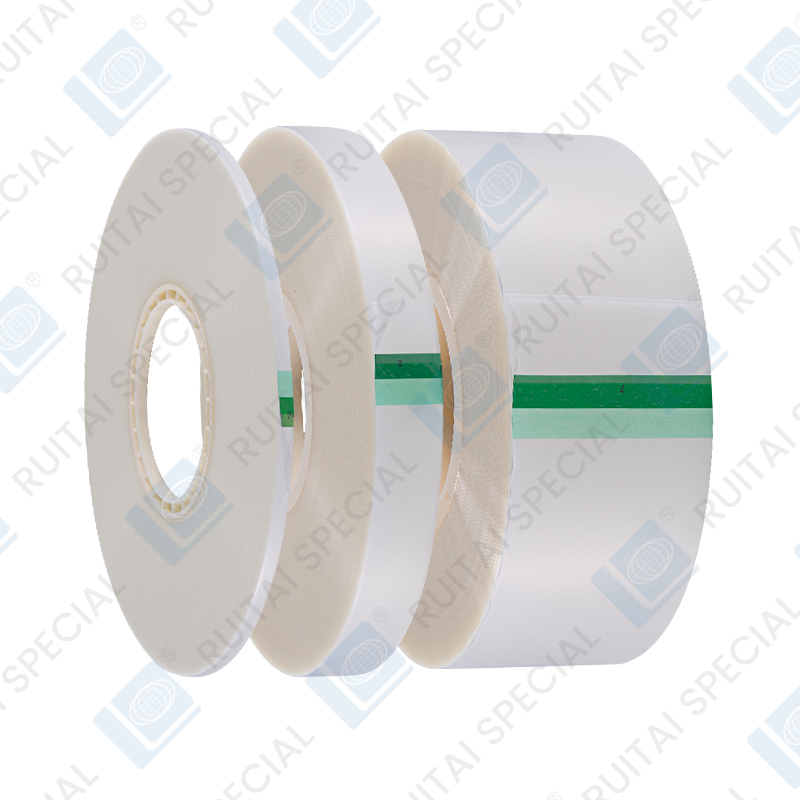
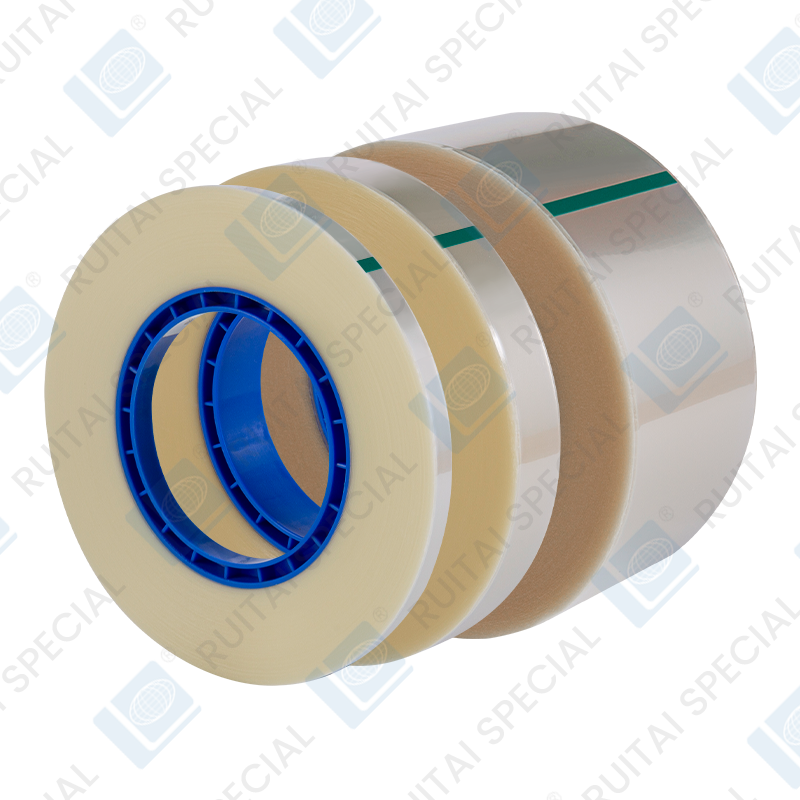
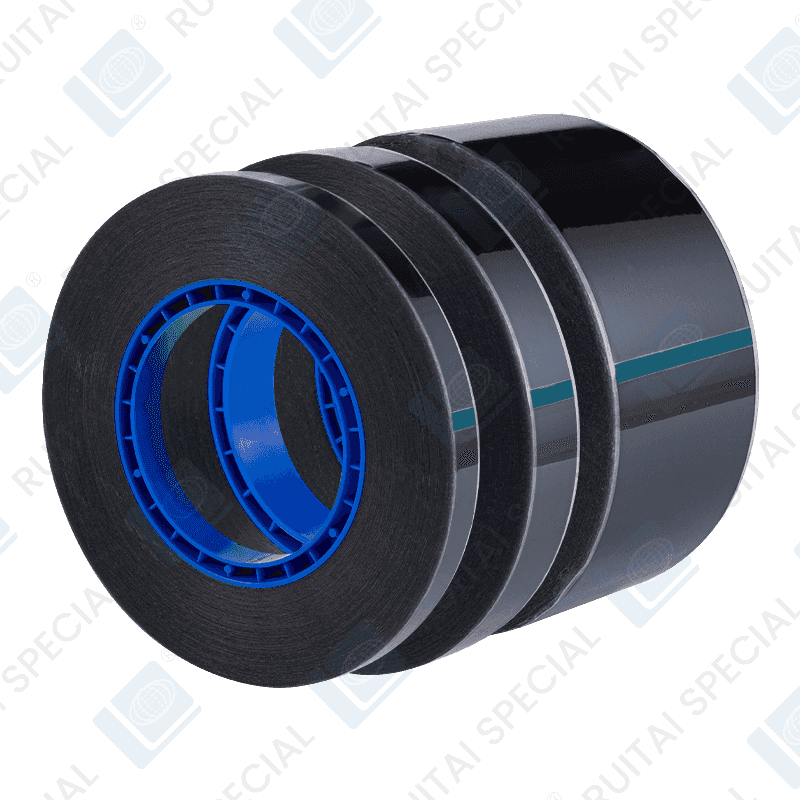
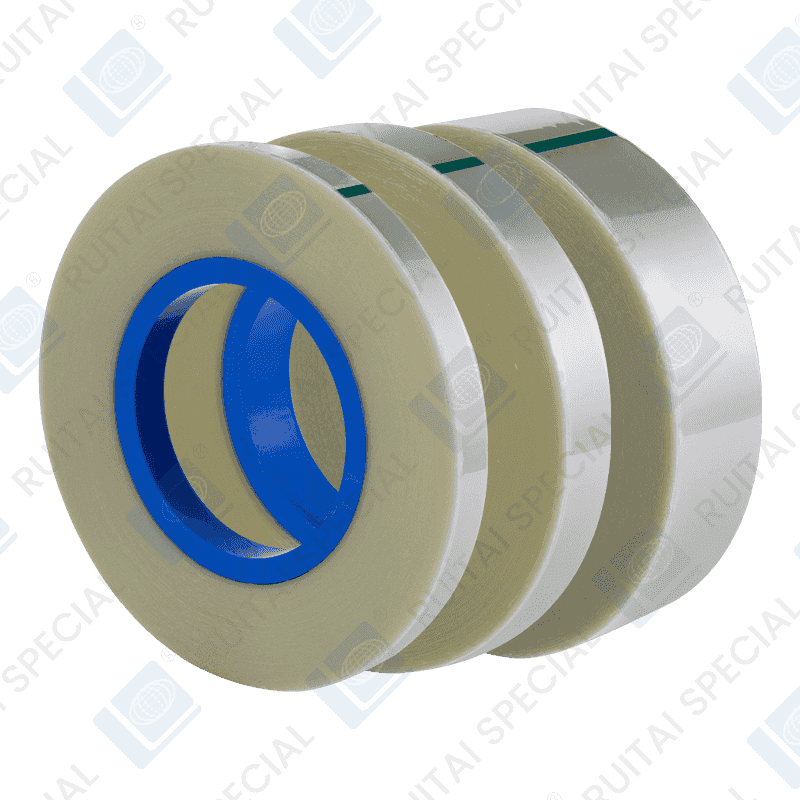
Semiconductor packaging tape is a category of precision adhesive materials used across the manufacture, protection, and assembly of semiconductor devices and electronic components. Unlike general-purpose industrial tapes, these materials are engineered to perform within tight parametric windows — defined peel force ranges, controlled ionic contamination levels, antistatic surface resistance values, and thermal stability requirements — that directly affect component yield and downstream reliability.
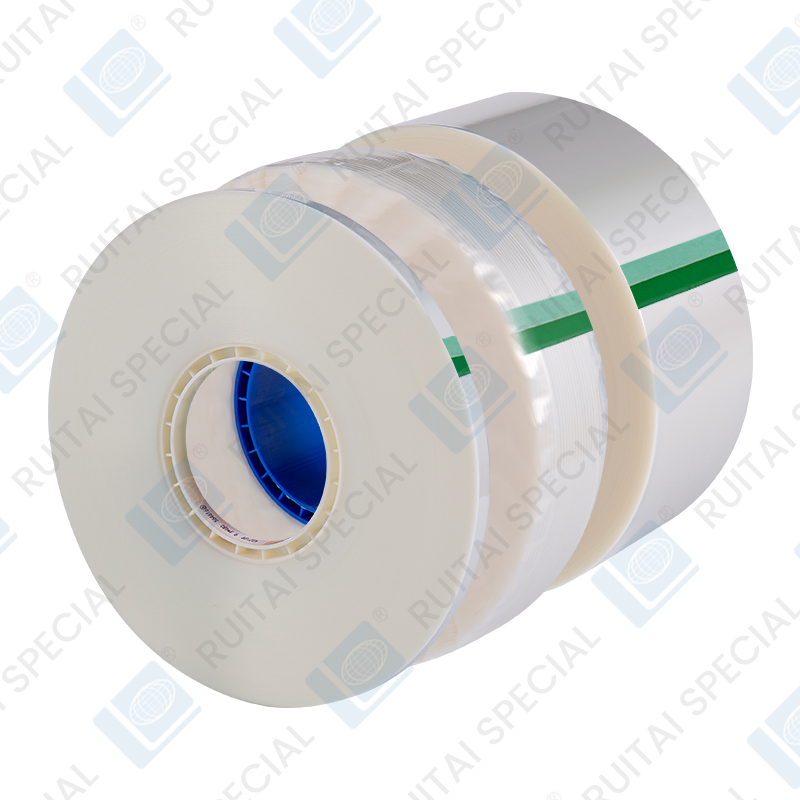
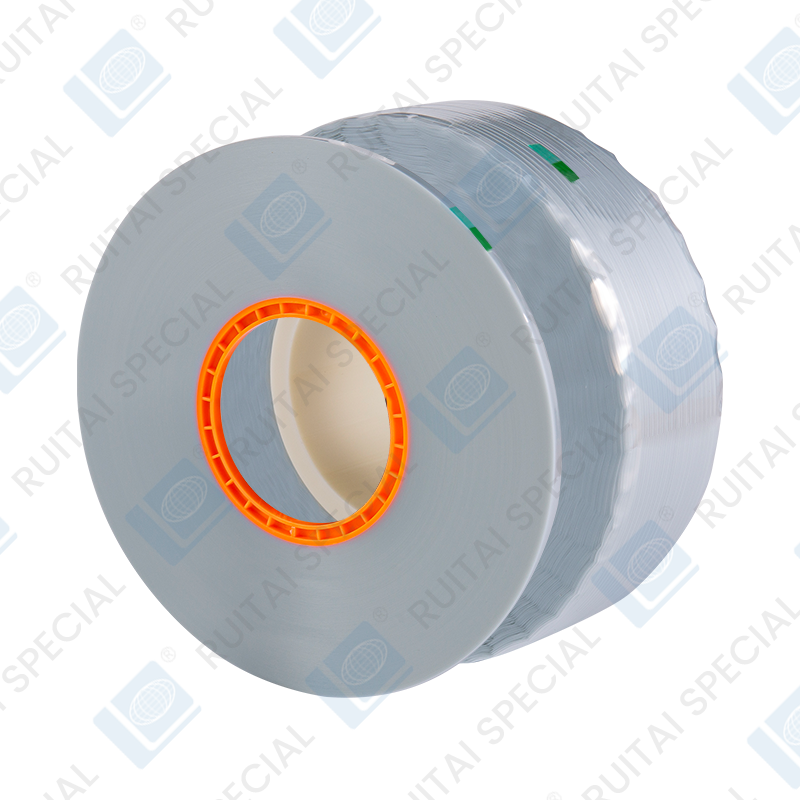
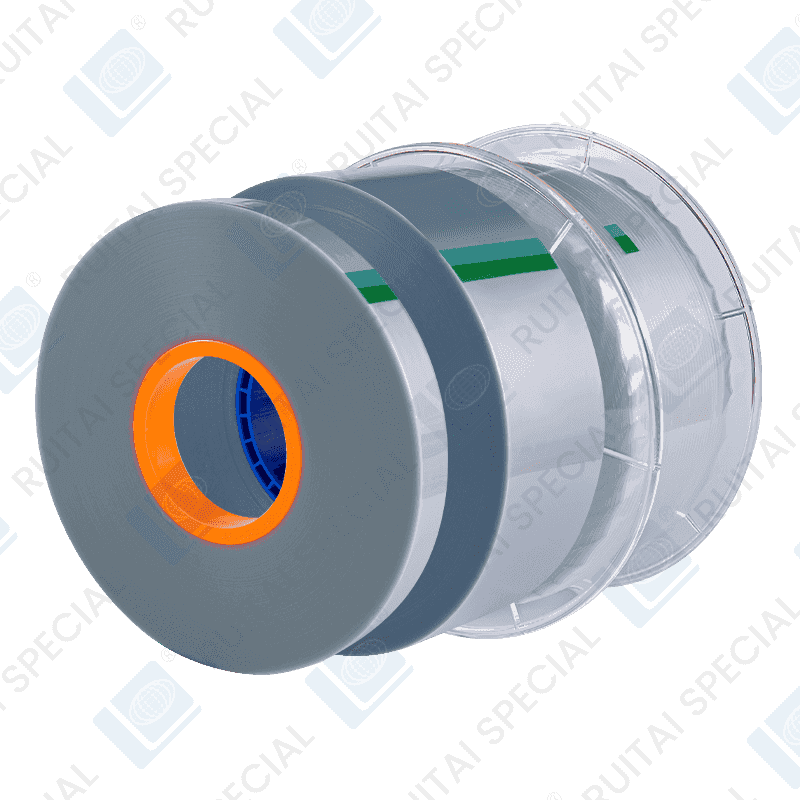
The category encompasses several functionally distinct product types: cover tapes that seal component-loaded carrier reels for tape-and-reel packaging, masking tapes that protect contact surfaces during plating and soldering operations, dicing tapes that hold wafers during singulation, and backgrind tapes that protect device surfaces during wafer thinning. Each serves a different process stage and is evaluated against different performance criteria.
Selecting the wrong tape for a given process stage is one of the more difficult yield loss root causes to identify, precisely because tape-related failures often manifest at a later stage — at board assembly, in field reliability testing, or through customer returns — rather than immediately at the point of tape application.
Cover Tape: The Most Widely Specified Semiconductor Packaging Tape
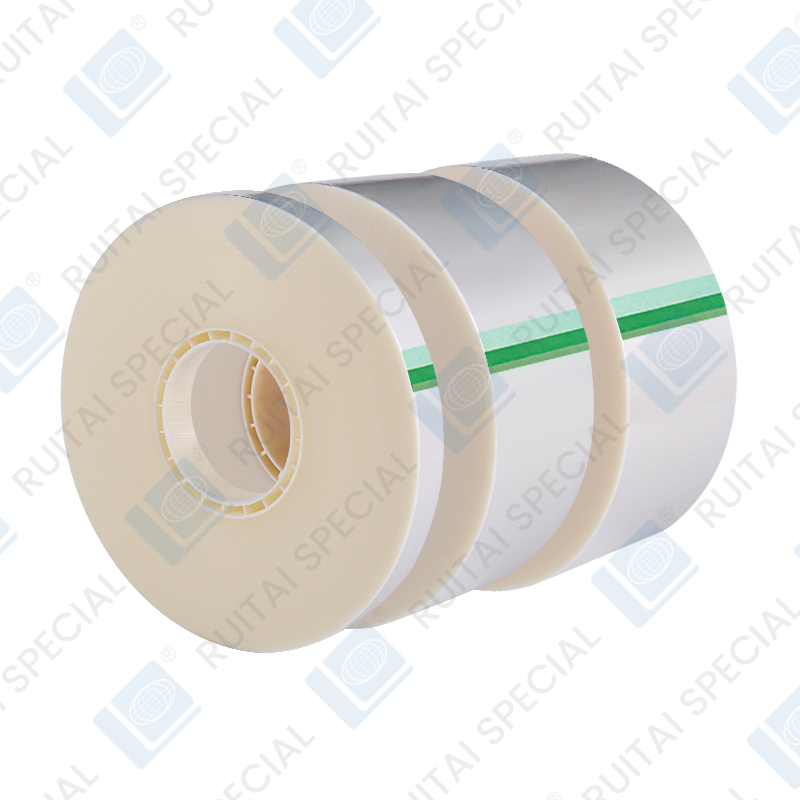
Cover tape is the dominant semiconductor packaging tape type by volume, used wherever electronic components are packaged in tape-and-reel format for automated SMT assembly. It seals the open face of a carrier tape pocket, retaining the component during transport and releasing it cleanly at the pick-and-place machine feeder. The two primary adhesive technologies used in cover tape define different process requirements and operational trade-offs.
Heat-Activated Adhesive (HAA) Cover Tape
HAA cover tape bonds when a heated sealing bar delivers defined temperature, pressure, and dwell time to the tape-carrier interface. The adhesive is non-tacky at room temperature, which eliminates premature bonding during storage and handling. Seal strength is controlled by sealing parameters rather than ambient conditions, making HAA systems capable of tighter peel force distributions — typically ±10–15 g variation across a reel — compared to pressure-sensitive alternatives. This consistency is critical for high-speed handlers with narrow peel force acceptance windows defined by IEC 60286-3.
Pressure Sensitive Adhesive (PSA) Cover Tape
PSA cover tape bonds on contact under applied pressure without requiring heat, making it compatible with simpler sealing equipment and faster changeover processes. The trade-off is sensitivity to ambient temperature and humidity: peel force can shift by 20–40% between a 15°C and 30°C production environment using the same tape lot. PSA systems are well-suited to lower-volume operations, mixed-component packaging lines, and facilities with stable climate control. For high-speed, high-volume automated packaging, HAA systems generally offer more predictable process control.
Masking Tape in Semiconductor and PCB Processes
Masking tape in semiconductor packaging serves a protection and boundary-definition function rather than a retention function. Applied before plating, soldering, or conformal coating operations, it defines the area to be processed while shielding adjacent surfaces from chemical or thermal exposure. The performance demands placed on masking tape in electronics are substantially higher than in general industrial masking applications.
Critical performance requirements include:
- Temperature resistance: Wave solder masking requires stability through preheat zones at 130–160°C and solder bath contact at up to 260°C. Standard crepe paper tapes soften and allow adhesive migration under these conditions.
- Bleed-under resistance: The tape edge must form a complete seal against plating solution or conformal coating, preventing material migration beneath the tape boundary onto protected surfaces.
- Clean removal without residue: Adhesive transfer onto gold bond pads, plated terminals, or solder surfaces causes solderability failures and contact resistance increases that are difficult to trace back to the masking step.
- Low ionic contamination: High ionic content in tape adhesives promotes electrochemical migration between closely spaced conductors. IPC-TM-650 specifies ionic cleanliness testing methods relevant to masking tape qualification.
For fine-pitch applications where masking boundaries must be held to ±0.3–0.5 mm, tape width tolerance and slit edge quality become process variables that require explicit supplier qualification rather than assumption.
Antistatic Requirements Across Semiconductor Packaging Tape Types
ESD protection is a cross-cutting requirement that applies to multiple semiconductor packaging tape types, not only cover tape. Any tape material that contacts or is peeled away from an ESD-sensitive component surface generates triboelectric charge at the interface. Without controlled charge dissipation built into the tape material, that charge can discharge through the component at the moment of maximum exposure.
| Tape Type | ESD Risk Point | Required Surface Resistance |
|---|---|---|
| Cover tape (HAA / PSA) | Peel event at pick-and-place feeder | 10⁴ – 10¹¹ Ω/sq (dissipative) |
| Carrier tape | Component contact during transport vibration | 10⁴ – 10¹¹ Ω/sq |
| Dicing tape | Die singulation and pickup | 10⁴ – 10¹¹ Ω/sq |
| Backgrind tape | Wafer surface contact during grinding | Application-dependent |
Surface resistance values must be verified after accelerated aging — typically 40°C / 85% RH exposure — since antistatic treatments that rely on hygroscopic additives or surface coatings can degrade significantly over a reel's shelf life. Materials that pass initial incoming inspection but drift into the insulative range (above 10¹² Ω/sq) before use represent a latent supply chain ESD risk.
How to Qualify a New Semiconductor Packaging Tape Supplier
Tape qualification in semiconductor packaging requires a structured approach that goes beyond confirming that a supplier's datasheet meets published specifications. The most reliable qualification protocols evaluate performance under actual production conditions rather than controlled laboratory conditions alone.
A practical qualification process for cover tape or masking tape should include:
- Baseline characterization: Measure peel force, surface resistance, and dimensional parameters across three or more production lots to establish natural variation before setting acceptance limits.
- Thermal and humidity aging: Expose samples to accelerated aging conditions (40°C / 85% RH for 168 hours minimum) and remeasure all critical parameters to confirm shelf-life stability.
- Production trial on actual substrates: Run qualification samples on the specific carrier tape, PCB, or lead frame used in production — not substitute materials. Performance on the actual substrate can differ substantially from generic test specimens.
- Handler or machine compatibility: Verify peel force behavior at actual line speed and temperature. Static peel testing at 300 mm/min (standard per IEC 60454) does not replicate the dynamic peel event at handler speeds of 1,000–2,000 mm/min.
- Residue and cleanliness assessment: Inspect peeled carrier tape rails and component surfaces under magnification and, for critical applications, conduct ionic cleanliness testing per IPC-TM-650 2.3.25.
Suppliers capable of providing lot-level traceability data, statistical process control records, and application engineering support during the qualification phase reduce time-to-approval and provide the process documentation necessary for quality management system compliance under ISO 9001 or IATF 16949 frameworks.