
 USA
USA English
 日本語
日本語 中文简体
中文简体
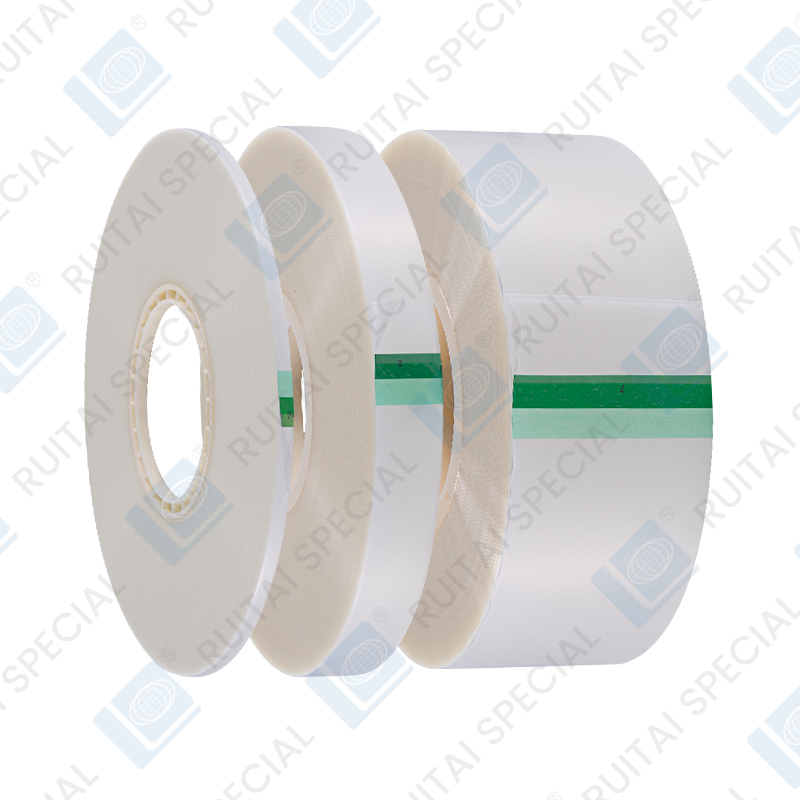
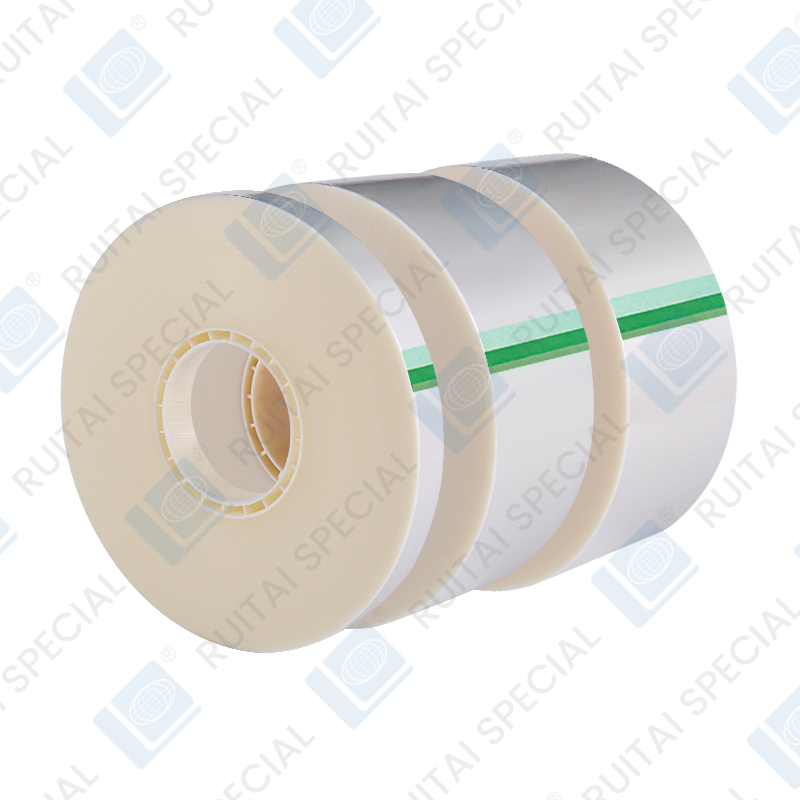
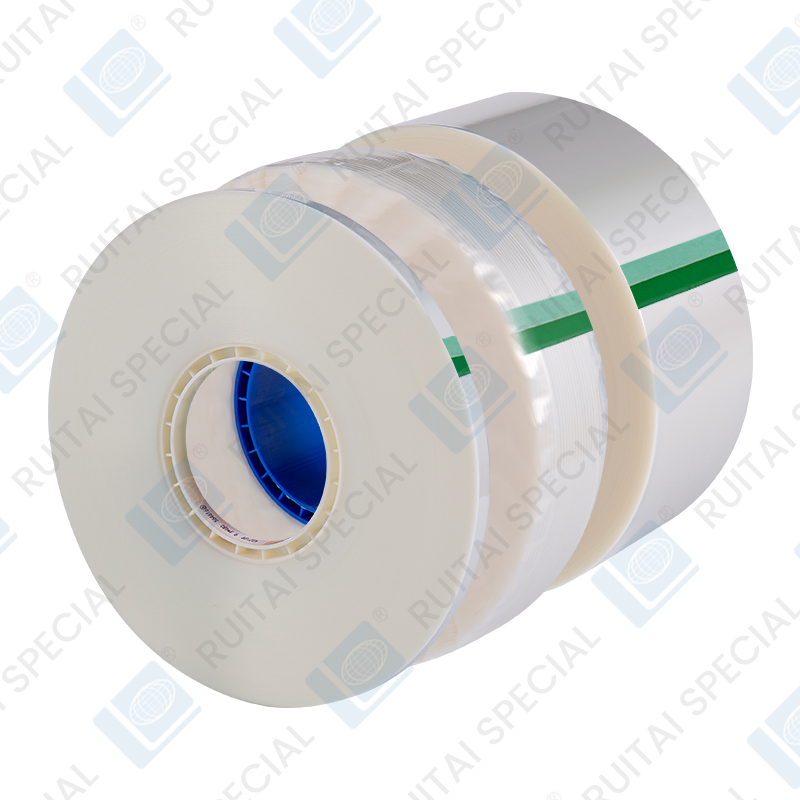
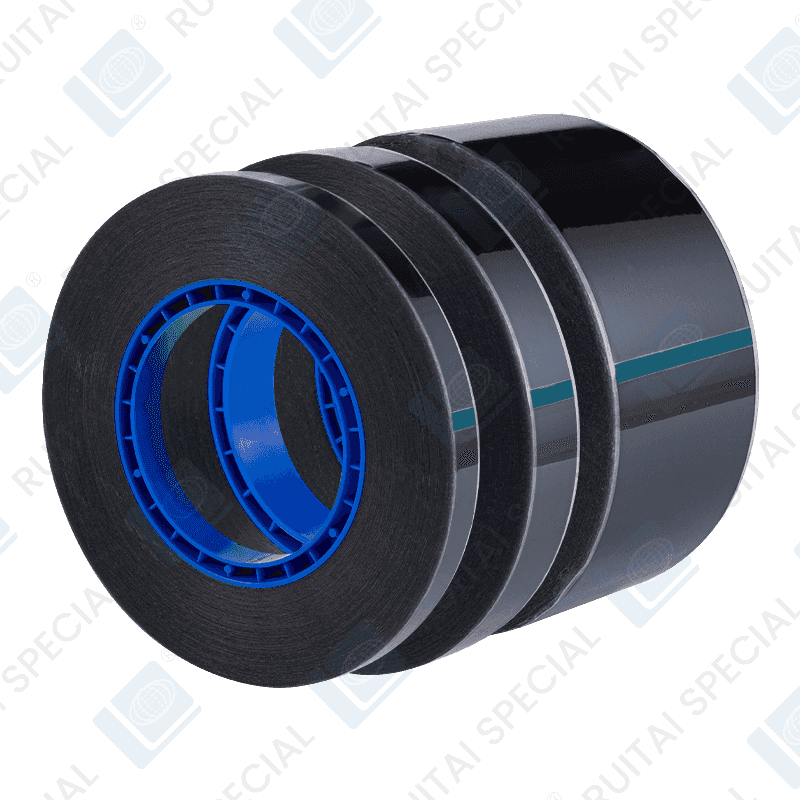
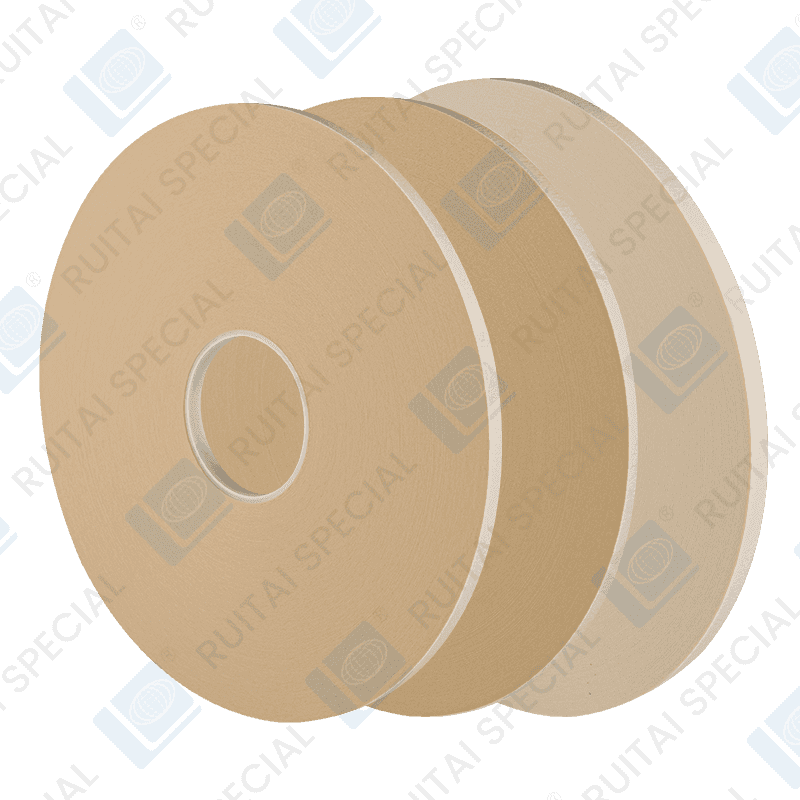
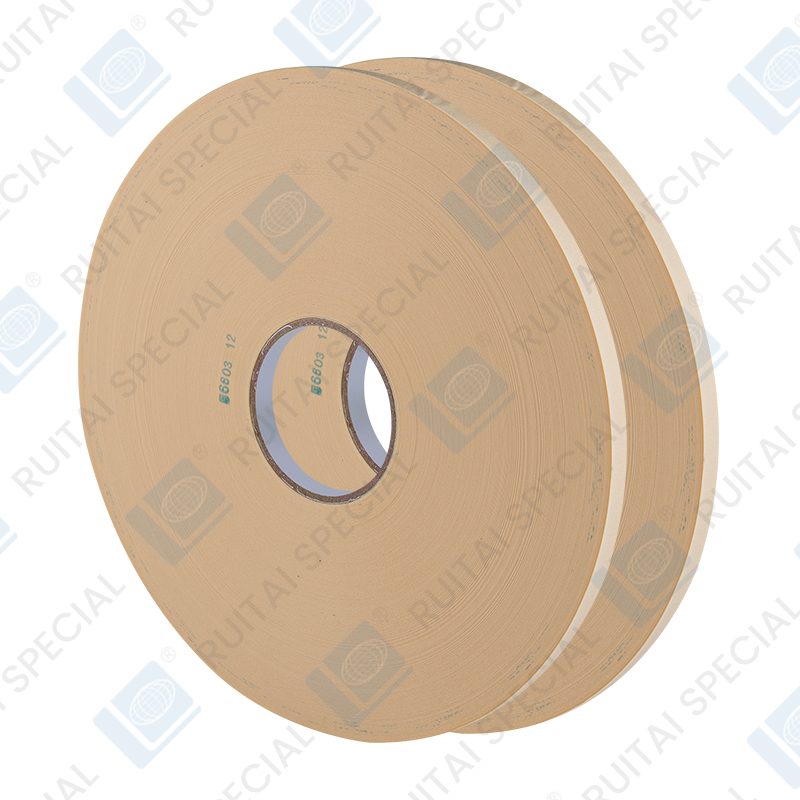
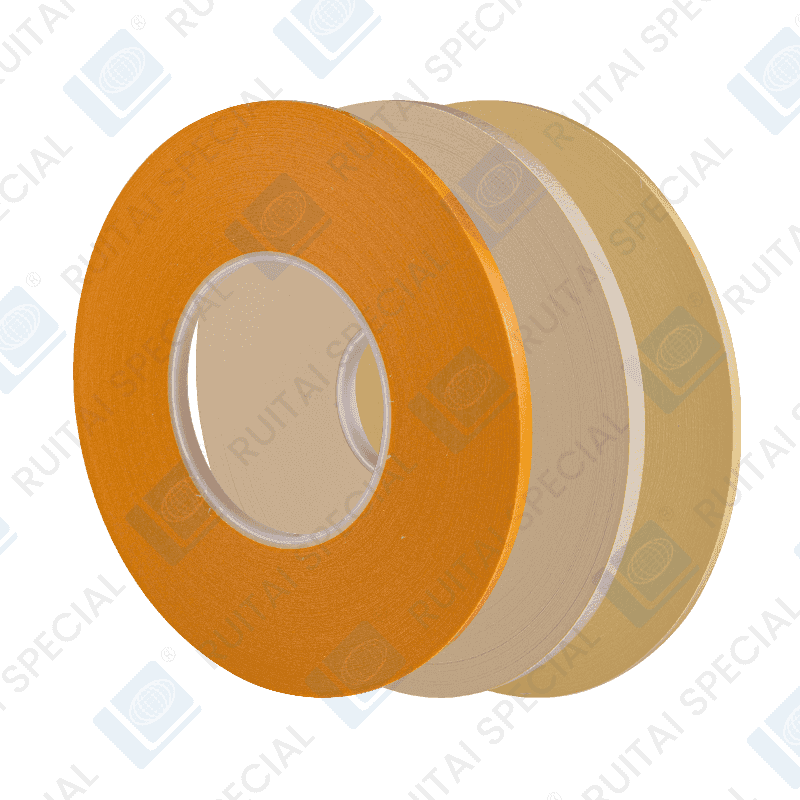
For SMT component packaging, the most reliable pressure sensitive adhesive cover tape uses a 58 to 62 micron thick polyester film with an acrylic adhesive that delivers a consistent peel force between 40 and 80 grams at a 300 mm per minute peel speed. This specification ensures a secure seal on embossed carrier tapes that will not pop open during handling or baking, while also preventing adhesive transfer to the carrier tape that can cause pick-and-place errors. An anti-static coating with a surface resistivity of 10 to the power of 6 to 10 to the power of 9 ohms per square protects sensitive components from ESD damage during peel-off.
Content
- 1 Understanding How Pressure Sensitive Adhesive Cover Tape Seals Components
- 2 Peel Force Requirements for Consistent Machine Performance
- 3 Adhesive Chemistries and Their Practical Limitations
- 4 Anti-Static Protection and Surface Resistivity Options
- 5 Storage and Shelf Life Management for PSA Cover Tape
- 6 Troubleshooting Common PSA Cover Tape Failures
Understanding How Pressure Sensitive Adhesive Cover Tape Seals Components
A pressure sensitive adhesive cover tape works by bonding to the top surface of a carrier tape with light pressure. Unlike heat seal cover tape, it requires no heated sealing shoe or dwell time, making it the preferred choice for temperature-sensitive components and for packaging operations that need high throughput without the risk of heat damage. The adhesive is a tacky layer that forms a mechanical bond with the carrier tape surface and can be removed cleanly without leaving residue that would attract dust or interfere with vision systems.
The seal strength of a pressure sensitive adhesive cover tape must balance two competing demands: it must be strong enough to prevent the tape from lifting during shipping and handling, yet light enough to allow the pick-and-place machine to peel the tape smoothly without excessive force that could vibrate the carrier tape and displace components. This balance is measured as peel force, which is the single most critical specification.
Peel Force Requirements for Consistent Machine Performance
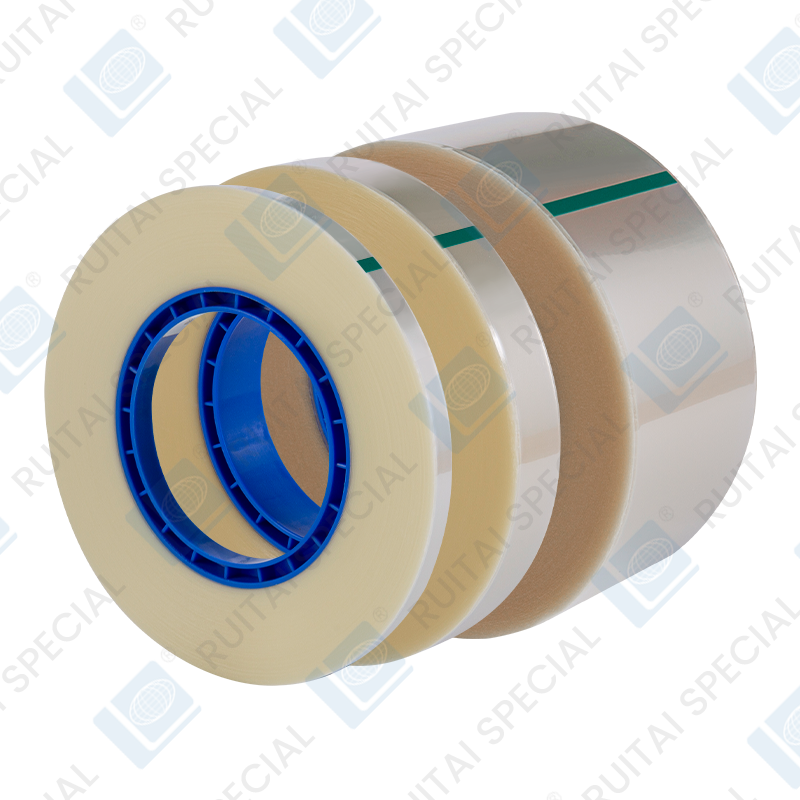
The peel force of a pressure sensitive adhesive cover tape is tested on a tensile tester at a 180-degree angle and a speed of 300 mm per minute. The acceptable range for standard SMT applications is 30 to 90 grams, with a target average of 60 grams. Tapes that peel below 30 grams risk premature detachment during board handling, while tapes above 90 grams can cause the carrier tape to lift off the feeder rail or snap back violently, flipping small components out of their pockets.
A well-formulated acrylic adhesive pressure sensitive adhesive cover tape will exhibit a flat peel force profile across the entire reel diameter. The variation from the outer layer to the core should be less than 15 percent. Significant increase toward the core indicates that the adhesive is building tack over time or that the polyester film is shrinking slightly, both of which can cause the tape to tear or leave residue on the carrier after peeling.
Adhesive Chemistries and Their Practical Limitations
Three primary adhesive systems are used on pressure sensitive adhesive cover tape, each suited to specific component and environmental requirements.
- Acrylic adhesive is the most widely specified. It offers excellent long-term stability, no outgassing, and consistent peel force over a wide temperature range of minus 20 degrees C to 60 degrees C. Acrylic-based pressure sensitive adhesive cover tape is the default for most integrated circuit and passives packaging.
- Synthetic rubber adhesive provides a higher initial tack and is often used for paper-based carrier tapes or for sealing in high-humidity environments. However, it is more prone to oxidation over time, and the peel force can increase by up to 50 percent after 6 months of storage at 40 degrees C.
- Silicone adhesive is used for very high temperature applications, up to 150 degrees C continuous, but its peel force is typically lower and it is considerably more expensive. It is specified only when the packaged components must survive repeated solder reflow cycles in tape.
The standard thickness of the adhesive layer on a pressure sensitive adhesive cover tape is between 7 and 12 microns. A thicker layer does not necessarily increase peel force but can cause adhesive flow that leads to edge ooze and contamination of the carrier tape sealing surface.
Anti-Static Protection and Surface Resistivity Options
Electrostatic discharge is a leading cause of component failure, and pressure sensitive adhesive cover tape plays a direct role in managing this risk. As the tape is peeled from the carrier, triboelectric charging can generate voltages exceeding 5,000 volts if the tape has no anti-static properties. Modern PSA cover tapes are available in three ESD protection levels, summarized in the table below.
| ESD Category | Surface Resistivity (ohms per square) | Typical Application |
|---|---|---|
| Static Dissipative | 10 to the power of 6 to 10 to the power of 9 | General IC and passives |
| Conductive | 10 to the power of 3 to 10 to the power of 6 | Extremely sensitive devices |
| Insulative (Non-ESD) | Greater than 10 to the power of 12 | Non-sensitive mechanical parts only |
The anti-static property is typically achieved by applying a clear conductive coating to the polyester film before the adhesive is coated. This ensures that pressure sensitive adhesive cover tape does not charge when peeled and that any static generated is safely bled to ground through the carrier tape and the feeder mechanism. The coating must remain effective after 12 months of storage and must not transfer to the carrier tape or the component surface.
Storage and Shelf Life Management for PSA Cover Tape
Even the best pressure sensitive adhesive cover tape will degrade if stored improperly. The recommended storage condition is a temperature of 15 to 25 degrees C and a relative humidity of 30 to 60 percent. At higher temperatures, the adhesive can soften and ooze, while lower temperatures can cause the adhesive to stiffen and lose tack temporarily. The shelf life of a factory-sealed roll of PSA cover tape is typically 12 months from the date of manufacture, stored in its original polyethylene bag.
Once the bag is opened, the roll of pressure sensitive adhesive cover tape should be used within 72 hours to prevent dust accumulation and moisture absorption by the polyester film. The most common cause of peel force drift in a production environment is a tape roll left uncovered on a machine overnight. A simple plastic cover added to the feeder can extend the in-use life of an opened roll to over a week.
Troubleshooting Common PSA Cover Tape Failures
When a pressure sensitive adhesive cover tape fails on the production line, the symptoms point to specific root causes. Recognizing these immediately reduces downtime and scrap.
- Tape tears or breaks during peel: This indicates either a film defect or a peel force that has increased beyond 120 grams. Measure the peel force at multiple reel positions and examine the tape for nicks or scratches. Replace the reel if the force exceeds specification.
- Adhesive residue left on carrier tape: The adhesive is transferring, usually because the tape is old or has been exposed to heat. A pressure sensitive adhesive cover tape with acrylic adhesive should leave virtually no visible residue on the carrier tape surface. If residue is present, switch to a fresh reel stored under proper conditions.
- Components stick to tape: This occurs when the cavity depth is insufficient and the component protrudes above the carrier surface, contacting the adhesive. Verify that the component standoff is at least 0.2 mm below the top of the carrier pocket walls.
- Seal pops open in baking: If the packaged reel is baked at 125 degrees C for moisture removal, a standard PSA tape may soften and lift. Use a specialty high-temperature pressure sensitive adhesive cover tape with a silicone adhesive rated for the baking temperature.